How to Wear a Concealed Carry Holster in 7 Easy Steps
Start by choosing a holster material—leather molds to you, Kydex stays firm, nylon is lightweight. Find a comfortable position like appendix or strong side hip that conceals well. Dress with loose, dark layers to hide your setup. Secure your holster firmly with sturdy clips and a quality belt to prevent shifting. Practice smooth, safe draws often, and adjust your setup based on activity. Regular care keeps everything reliable. Keep exploring to master these steps for confident carry.
Choose the Right Type of Concealed Carry Holster
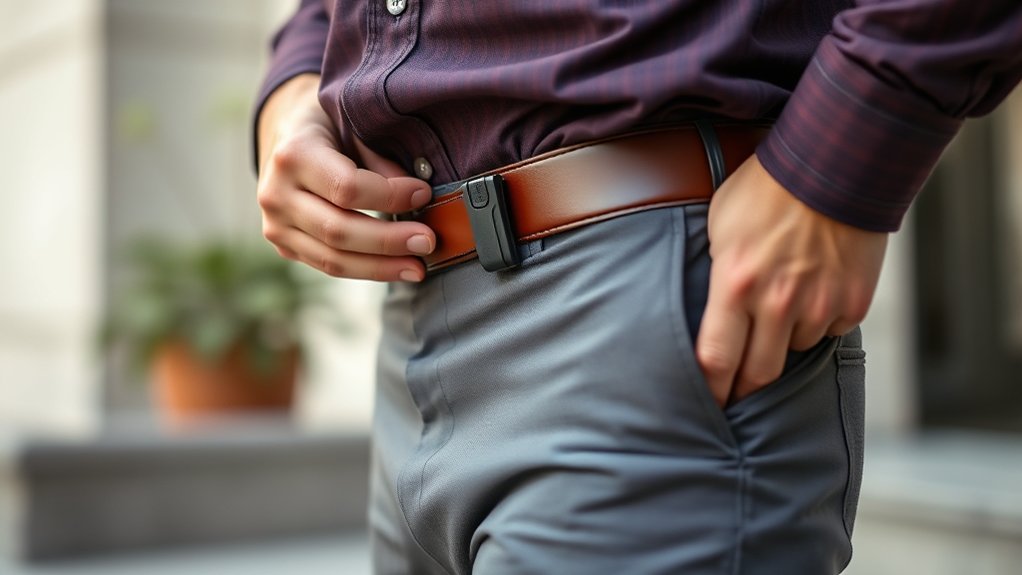
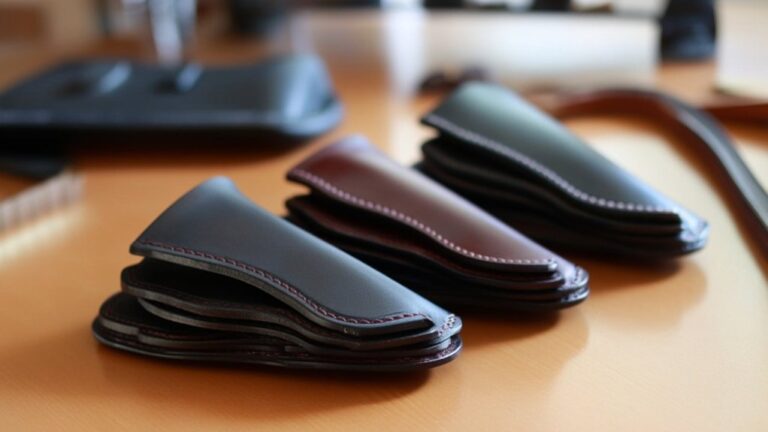
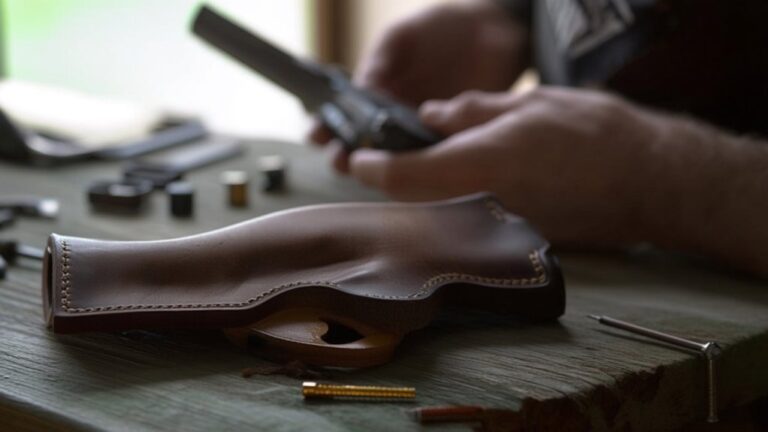
Before you can confidently carry concealed, you need to choose the right type of holster that fits your lifestyle and firearm. You’ll want to evaluate materials like leather, Kydex, or nylon, each offering different levels of comfort, durability, and retention.
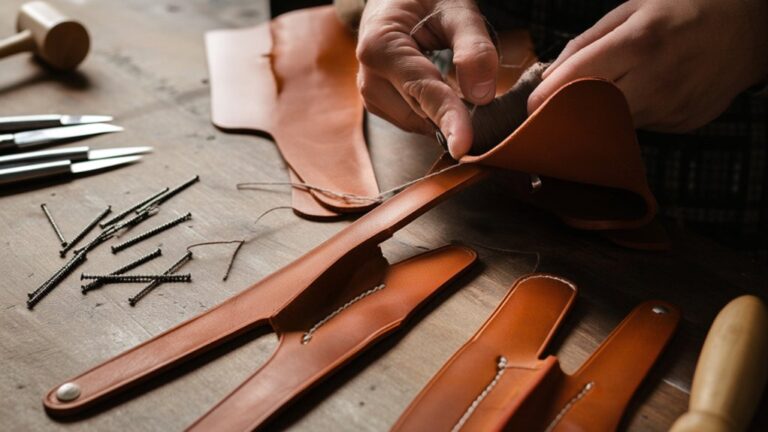
Leather feels natural and molds to your body over time, while Kydex provides a rigid, secure fit that’s easy to reholster. Nylon holsters are lightweight and affordable but might sacrifice some retention.
Think about how often you’ll carry, your daily activities, and your firearm’s size and shape. A well-chosen holster keeps your gun secure, accessible, and comfortable for long wear.
Don’t forget to pick one that offers reliable trigger guard coverage to prevent accidental discharge. Your choice sets the foundation for safe and effective concealed carry.
Select the Best Concealed Carry Holster Position for Comfort and Concealment
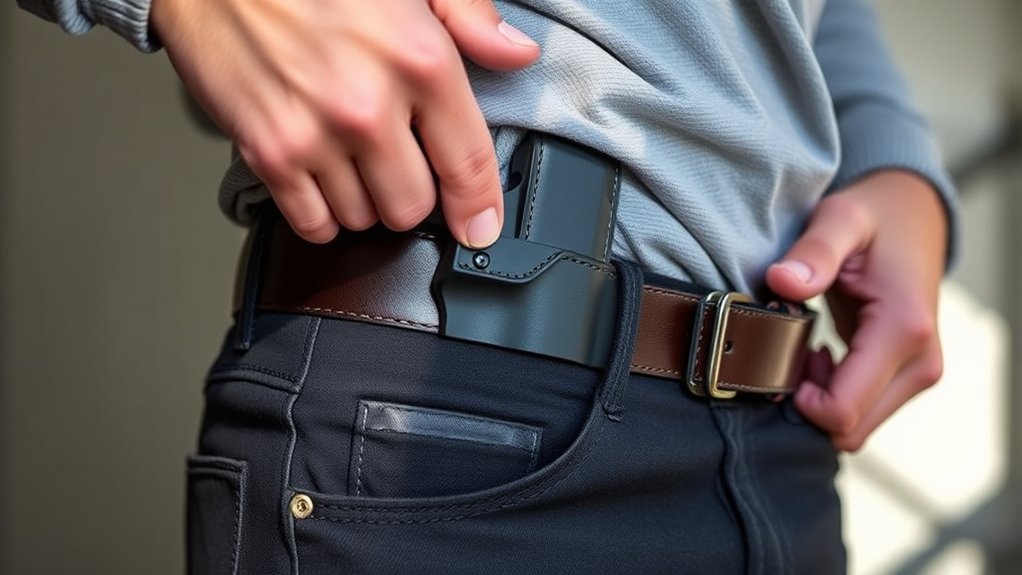
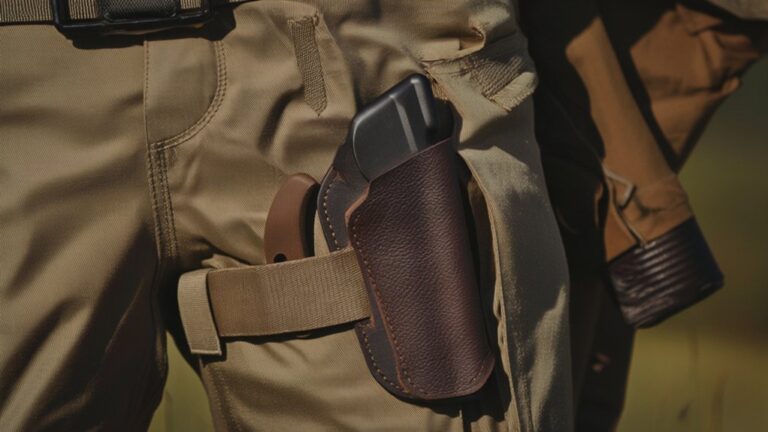
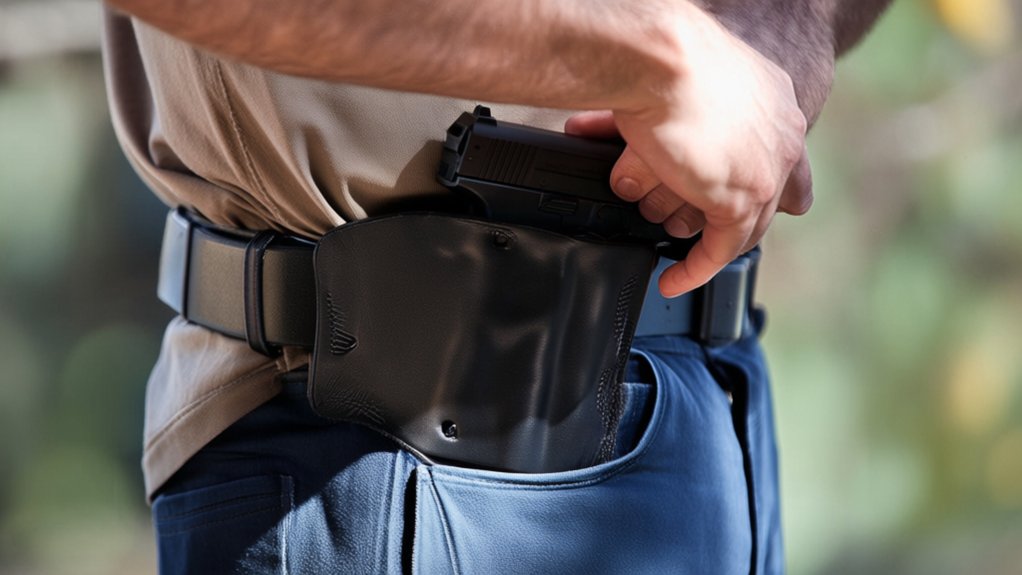
When choosing where to carry your concealed holster, you want a position that balances comfort with effective concealment. Common spots include the appendix (front hip), strong side hip, behind the hip (small of the back), and the shoulder. Each position offers unique advantages depending on your daily activities and body type.
Try different placements to see what feels natural and allows quick access. The appendix carry is popular for ease of draw but may be uncomfortable when sitting. Strong side hip is traditional and comfortable for many.
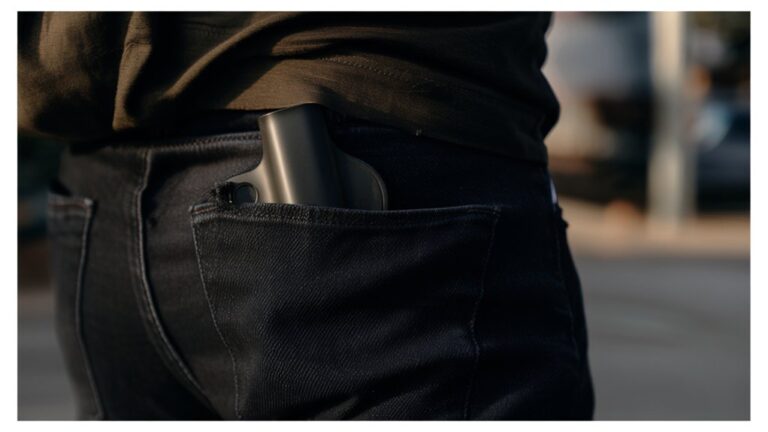
Small of the back can be discreet but might cause discomfort or printing when sitting. Shoulder carry suits certain clothing styles. Prioritize a spot where your holster won’t hinder movement or print through clothing, ensuring you carry confidently and comfortably every day.
Dress to Conceal Your Holster Effectively
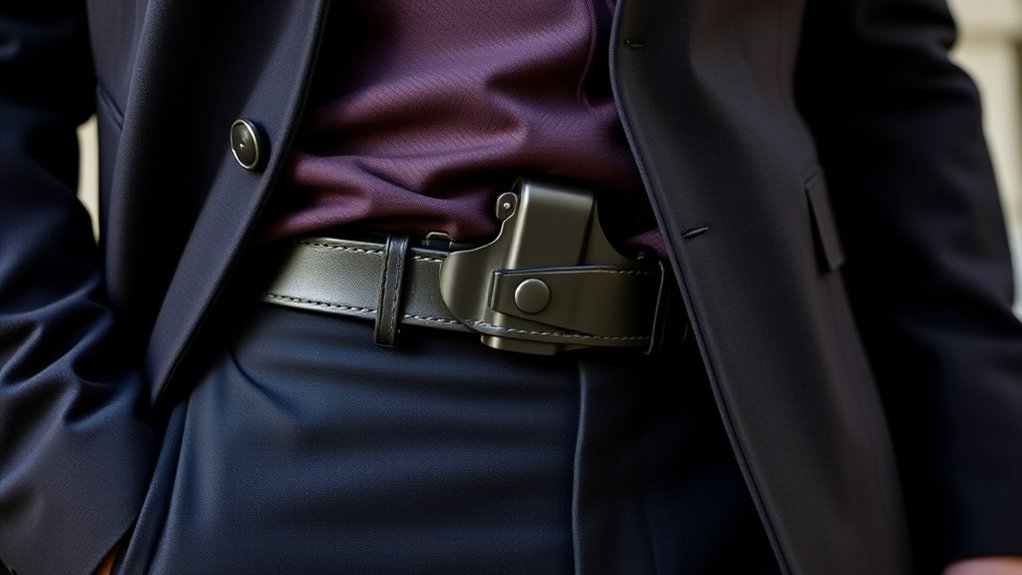
Although selecting the right holster position is essential, dressing strategically plays an equally important role in keeping your concealed carry discreet.
Choose clothing that fits comfortably without clinging too tightly, as loose or layered garments help mask your holster’s outline. Dark colors and patterns can further break up the silhouette, reducing the chance of printing.
Avoid thin or light fabrics that reveal shapes underneath. You might want to wear shirts untucked or opt for jackets and vests to add extra coverage.
Also, consider the length of your shirts; longer tops cover your waistband better.
Secure Your Concealed Carry Holster Firmly to Prevent Shifting
To keep your concealed carry holster comfortable and reliable throughout the day, you need to secure it firmly so it doesn’t shift or rotate. A holster that moves around can’t only ruin your concealment but also slow your draw in an emergency.
Here’s how to lock it in place:
- Choose a holster with sturdy clips or loops that grip your belt tightly.
- Adjust the cant angle to fit your body and prevent rotation.
- Wear a belt designed specifically for concealed carry to provide extra support.
- Position your holster where your body naturally stabilizes it, like the strong side hip or appendix area.
- Check and tighten all fasteners regularly to maintain a secure fit.
Following these tips keeps your holster steady and your draw quick.
Practice Drawing Smoothly and Safely From Your Concealed Carry Holster
Before you need to draw your firearm in a real situation, you should practice pulling it smoothly and safely from your concealed carry holster.
Start by making certain your finger stays off the trigger until your sights are on target.
Use slow, deliberate movements to build muscle memory.
Focus on a consistent draw stroke, from grip to clear presentation.
Practice in front of a mirror to check your technique and identify any snag points or awkward angles.
Incorporate drawing with your strong and support hands to gain confidence.
Always prioritize safety by confirming your firearm is unloaded during practice.
Regularly rehearse in different clothing and positions to adapt to real-life scenarios.
This preparation ensures you react quickly and safely when it matters most.
Adjust Concealed Carry Holster Setup for Activity and Comfort
When you carry concealed, adjusting your holster setup for both activity and comfort is essential to maintain readiness throughout the day. You want your holster to stay secure without restricting movement or causing discomfort. Here’s how to fine-tune your setup:
- Position the holster where it doesn’t dig into your side or ribs.
- Adjust the cant angle for a natural, quick draw.
- Use a sturdy belt that supports your firearm’s weight.
- Wear breathable clothing to reduce sweat and irritation.
- Test different placements (waist, appendix, behind the hip) during various activities like walking, sitting, and bending.
Maintain and Inspect Your Holster to Ensure Safety and Longevity
Although you rely on your holster daily, you might overlook its maintenance and inspection, which are vital for safety and longevity. Regularly check for signs of wear, cracks, or loose stitching that could compromise retention.
Clean your holster according to the manufacturer’s instructions, removing dirt and sweat buildup that degrade materials over time.
Confirm all screws and clips are tight and functioning properly to prevent accidental detachment. Pay special attention to the trigger guard area to avoid any obstruction or damage.
By inspecting your holster before and after use, you catch issues early and maintain reliable firearm retention.
Proper care extends your holster’s lifespan and keeps your concealed carry setup safe and effective every day. Don’t skip this essential step.
Frequently Asked Questions
What Legal Permits Are Required for Concealed Carry?
You usually need a concealed carry permit or license, which varies by state. Some states require training and background checks. Check your local laws carefully, as carrying without proper permits can lead to serious legal trouble.
Can I Carry a Concealed Weapon in a Vehicle?
Yes, you can carry a concealed weapon in your vehicle, but laws vary by state. Make sure you know your local regulations and have proper permits. Always store your firearm safely to avoid legal trouble.
How Do I Handle Holster Retention in High-Stress Situations?
In high-stress situations, you’ve got to keep holster retention tight like a drum. Practice smooth, deliberate draws, and trust your muscle memory. Don’t let fear loosen your grip—stay calm and controlled for quick, safe access.
Are There Restrictions on Concealed Carry in Public Places?
Yes, you’ll find restrictions vary by state and local laws. You can’t carry in schools, government buildings, or private properties that prohibit firearms. Always check specific regulations before carrying concealed in public places to stay compliant.
What Are the Best Firearms for Concealed Carry?
You’ll want compact, reliable firearms like the Glock 19, Sig Sauer P365, or Smith & Wesson M&P Shield. They’re easy to conceal, offer good capacity, and pack enough power for self-defense without being bulky or uncomfortable.
Conclusion
Wearing a concealed carry holster properly takes practice and attention, but it’s worth it for your safety and comfort. Remember, “a stitch in time saves nine”—taking the time to choose the right holster, position it well, and maintain it can prevent bigger issues down the road. Keep practicing your draw and adjusting your setup to fit your lifestyle. With care and consistency, you’ll carry confidently and securely every day.