How To Replace A Peep Sight?
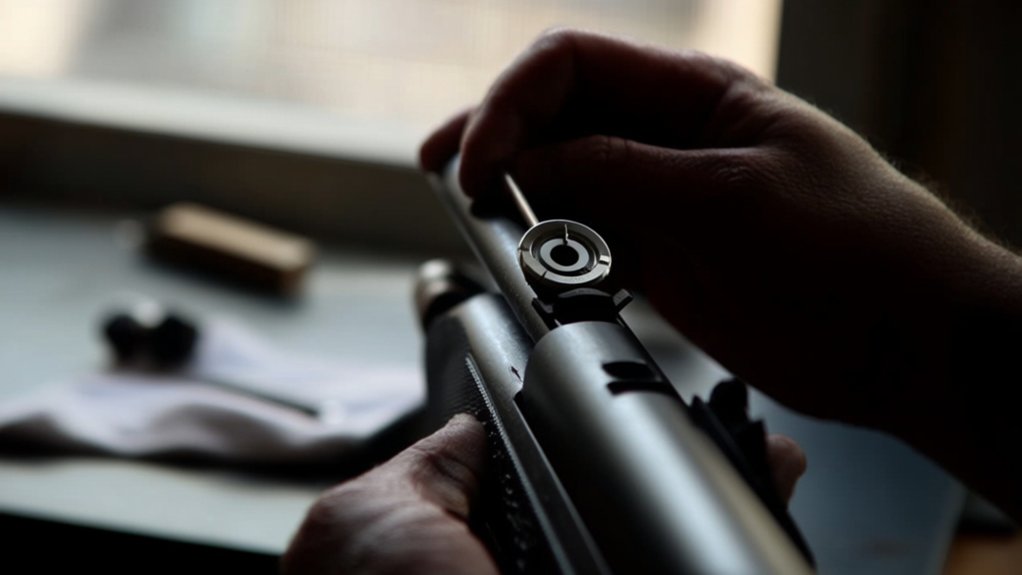
You’ll start by unstringing your bow and carefully cutting the serving wrap holding the old peep sight. Then, slide it off gently and prepare your bowstring by cleaning and waxing it. Position your new peep sight at eye level, secure it tightly with crimps or sleeves, and align it using a bow square or alignment tool. After installation, test its accuracy with target shots and make fine adjustments. Keep following along to guarantee perfect setup and troubleshooting tips.
Key Takeaways
- Unstring the bow to relieve tension before carefully cutting the serving wrap securing the old peep sight.
- Remove the old peep sight gently and clean the bowstring to prepare for the new sight installation.
- Position and align the new peep sight at eye level using a bow square or alignment tool for consistent aiming.
- Secure the peep sight tightly with crimps or sleeves, avoiding damage by using protective materials on the bowstring.
- Test accuracy by shooting at a target, then fine-tune the sight alignment and ensure it remains firmly in place.
How To Identify When Your Peep Sight Needs Replacing
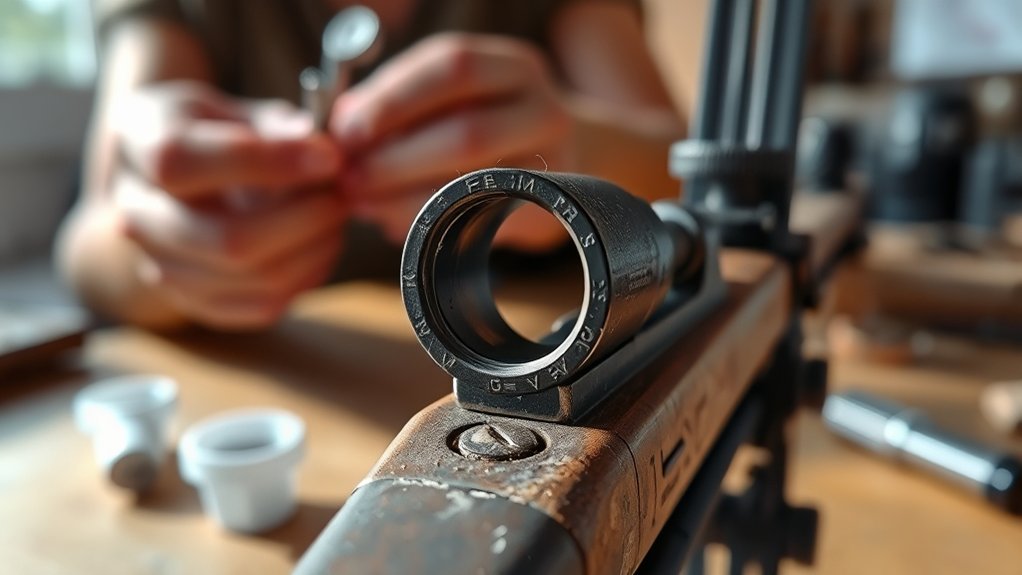
Although peep sights are designed for durability, you’ll know it’s time to replace yours when you notice any signs of damage, misalignment, or decreased accuracy in your shots. Check your sight closely for cracks, dents, or corrosion that can interfere with its function.
If your shots begin veering off target despite consistent form, your peep sight might be misaligned or worn out. Also, if the aperture becomes loose or wobbly, it compromises your aim and needs substitution.
Sometimes, buildup of dirt or rust can be cleaned, but persistent issues mean a new sight is necessary. By regularly inspecting your peep sight and paying attention to performance changes, you ensure your accuracy stays sharp and your shooting experience remains reliable.
Tools You’ll Need To Replace A Peep Sight
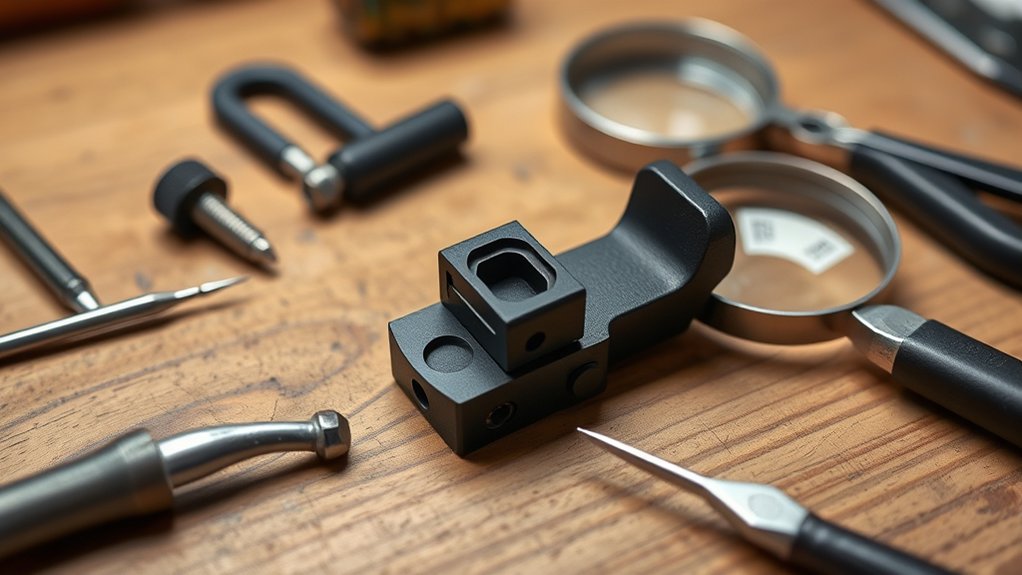
Before you start replacing your peep sight, make sure you have the right tools on hand to make the process smooth and efficient.
You’ll need an Allen wrench set to loosen and tighten the screws that hold the peep sight in place.
A bow square or peep sight alignment tool will help you position the new sight accurately.
Keep a pair of needle-nose pliers handy for gripping small parts or removing the old sight if it’s stuck.
You might also want a bowstring wax to protect the string after installation.
Finally, have a clean cloth ready to wipe down any dirt or debris.
Having these tools ready will save you time and prevent unnecessary frustration during the replacement.
How To Safely Prepare Your Bow For Peep Sight Removal
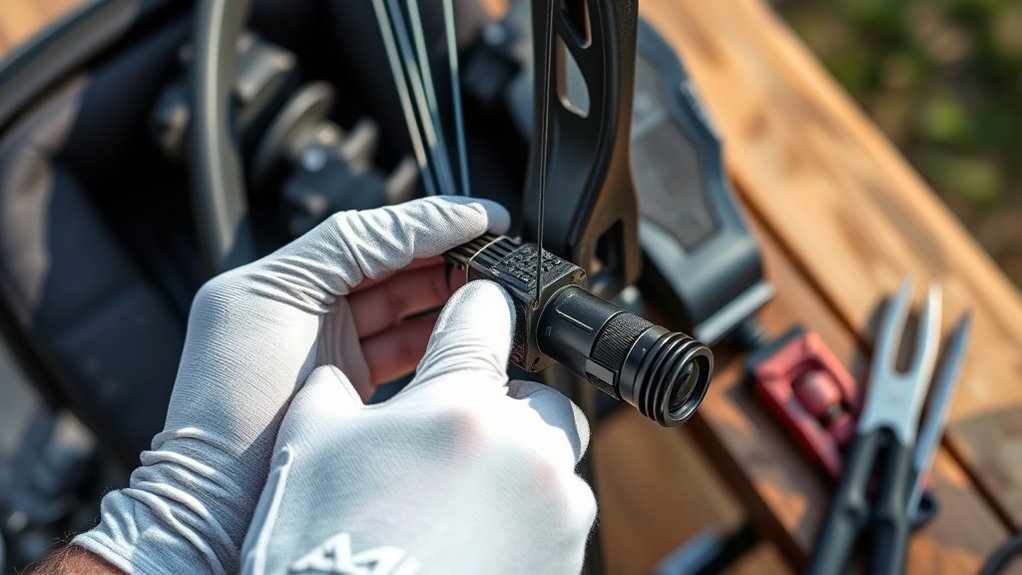
Before you start removing your peep sight, make sure your bow is securely positioned to prevent any movement.
Wearing safety gear like gloves and eye protection will help keep you safe during the process.
Taking these steps sets a solid foundation for a smooth and safe replacement.
Secure Bow Position
When you’re ready to remove your peep sight, start by securing your bow in a stable position to prevent any accidental movement. Place your bow on a flat, sturdy surface like a bow press or workbench.
If you don’t have a bow press, use a padded vise or rest the bow against a solid object to keep it steady. Make certain the limbs aren’t under tension to avoid injury or damage—unstring your bow if necessary.
Confirm the bow’s position won’t shift as you work by gently nudging it before proceeding. This stability lets you focus fully on the peep sight removal without worrying about slips or sudden movements.
Properly securing your bow minimizes risk and makes the process smoother and safer.
Safety Gear Essentials
Why should you never skip wearing safety gear while working on your bow? Because even small mishaps can cause serious injury. Your bow’s tension and sharp components demand careful handling, so protecting yourself is essential.
Before you start removing the peep sight, make sure you have these essentials:
- Safety Glasses – Shield your eyes from snapped strings or flying debris.
- Finger Guards or Gloves – Protect your fingers from string slaps and cuts during handling.
- Arm Guard – Prevent the bowstring from hitting your forearm, reducing bruises and scrapes.
Wearing this gear keeps you safe and focused, making the peep sight replacement smoother and risk-free. Don’t skip it—it’s worth every second.
Step-By-Step Guide To Removing The Old Peep Sight
Although removing the old peep sight might seem tricky, you can do it easily with the right tools and careful attention.
First, make sure your bow is unstrung to release tension on the bowstring.
Locate the peep sight on the string and identify how it’s secured—usually with a serving wrap.
Next, use a small pair of scissors or a razor blade to carefully cut through the serving thread without damaging the bowstring itself.
Once the serving is cut, slide the peep sight off the string gently.
If it sticks, wiggle it slightly to loosen.
Avoid pulling too hard; damaging the string can affect your bow’s performance.
Finally, remove any leftover serving material and prepare the string for the new peep sight installation.
How To Inspect Your Bowstring Before Replacement
Before installing your new peep sight, take the time to thoroughly inspect your bowstring for any signs of wear or damage. A damaged bowstring can compromise your shot accuracy and safety. Here’s what to look for:
- Fraying or Broken Strands: Check each strand carefully. Any fraying or broken fibers mean the string needs replacing before you proceed.
- Twists and Kinks: Ensure the bowstring lies straight without twists or kinks, which can affect performance and peep sight alignment.
- Wear at Contact Points: Look closely where the peep sight and cams contact the string. Excessive wear or flattened areas indicate it’s time for a new string.
How To Choose The Right Replacement Peep Sight
When selecting a replacement peep sight, you need to take into account factors like size, material, and compatibility with your bowstring.
First, choose a size that matches your shooting style—larger apertures offer easier target acquisition, while smaller ones improve precision.
Choosing the right aperture size balances quick target acquisition with enhanced shooting precision.
Next, consider the material; aluminum peep sights are lightweight and durable, whereas plastic options are budget-friendly but less sturdy.
Also, make certain the sight fits your bowstring thickness and type to avoid slippage or damage.
Check if your bow requires a fixed or adjustable peep sight since that affects your tuning options.
Finally, think about visibility in different lighting; some peep sights come with fiber optics or glow-in-the-dark features to enhance sighting accuracy.
Selecting the right one sets you up for better performance and easier installation.
Easy Ways To Install Your New Peep Sight On The Bowstring
Before you install your new peep sight, make sure your bowstring is clean and properly aligned.
You’ll want to position the sight carefully to guarantee accuracy.
Once it’s in place, secure it tightly so it won’t slip during use.
Preparing The Bowstring
Although installing a new peep sight may seem tricky, preparing your bowstring properly makes the process much easier. Before you start, focus on these key steps to get your bowstring ready:
- Clean the Bowstring: Remove dirt and debris using a soft cloth to ensure the peep sight grips securely without slipping.
- Apply Bow Wax: Lightly coat the area where the peep sight will sit with bow wax for added protection and to help the sight slide into place smoothly.
- Find the Right Position: Loosen the bowstring slightly and mark the spot where the peep sight will go, based on your eye alignment and shooting stance.
Securing The Peep Sight
Securing the peep sight onto your bowstring requires careful handling to guarantee it stays firmly in place without damaging the string. Start by aligning the peep sight at your pre-marked spot on the bowstring.
Use either brass crimps or a specialized peep sight sleeve to attach it. If you’re using crimps, slide them onto the string before positioning the peep sight, then carefully crimp them with pliers to lock the sight without overtightening.
With sleeves, slide the sleeve over the sight and string, then use a crimping tool designed for sleeves to secure it.
After installation, gently twist the bowstring to ensure the sight doesn’t rotate during use.
Finally, confirm the peep sight is perfectly aligned with your eye for consistent aiming every time.
Tips For Aligning Your New Peep Sight Correctly
When aligning your new peep sight, you’ll want to focus on achieving a clear and consistent sight picture. Proper alignment ensures accuracy and confidence every time you draw your bow. Here are three essential tips to get it right:
- Position the peep sight at eye level – Make sure it lines up naturally with your dominant eye when you’re in your shooting stance. This reduces strain and improves focus.
- Adjust for vertical and horizontal alignment – Use a bow square or alignment tool to ensure the peep sight sits perfectly centered relative to your arrow rest and front sight.
- Test with practice shots – After initial alignment, shoot a few arrows and fine-tune the sight based on where your arrows land. Small adjustments make a big difference.
How To Secure The Peep Sight Without Damaging The Bowstring
To secure the peep sight without harming your bowstring, you’ll need to guarantee proper alignment first.
Using protective materials like serving thread or tape can help prevent damage during installation.
Let’s go over the best ways to keep your bowstring safe while securing the sight.
Proper Bowstring Alignment
Although the peep sight is small, aligning it correctly on your bowstring is crucial for accuracy. Misalignment can throw off your aim, so take your time to position it just right. Start by ensuring the sight is centered and at eye level when you draw the bow. Then, secure it without twisting or damaging the string fibers.
Follow these steps to align your peep sight properly:
- Draw the bow to your anchor point and mark where the peep sight aligns with your eye.
- Slide the sight onto the string at this marked spot, ensuring it sits perpendicular to the string.
- Check alignment by drawing the bow again and adjusting until your sight picture is clear and consistent.
Proper alignment directly impacts your shooting precision.
Using Protective Materials
Securing your peep sight carefully prevents damage to the bowstring and keeps your setup reliable. Before sliding the sight into place, wrap a small piece of protective material like electrical tape or a rubber sleeve around the bowstring. This cushion absorbs pressure from the peep sight, preventing fraying or cutting.
Use a thin, durable material that won’t interfere with the sight’s alignment or your shot. Avoid bulky wraps that shift or loosen easily. Once wrapped, slide the peep sight over the protected area and secure it tightly without excessive force.
This method maintains bowstring integrity and guarantees the peep sight stays firmly in position. Taking this simple step protects your equipment and improves the longevity of your bowstring during repeated use.
How To Adjust Your Bow’s Draw Length After Installation
Once you’ve installed your peep sight, you’ll need to fine-tune your bow’s draw length to guarantee accuracy and comfort. Adjusting the draw length ensures your shots are consistent and reduces strain.
Follow these steps:
- Measure Your Draw Length: Use a draw length gauge or measure from your nock point to the back of the grip with the bow fully drawn.
- Adjust the Cam or Limb Bolts: Depending on your bow model, rotate the cams or tweak limb bolts to increase or decrease draw length incrementally.
- Test and Fine-Tune: Draw the bow a few times, checking comfort and anchor point. Make small adjustments until your draw feels natural and steady.
This process helps optimize your shooting form and complements your new peep sight installation perfectly.
How To Test Your New Peep Sight For Accuracy
Before you start shooting regularly, you’ll want to test your new peep sight to make sure it’s properly aligned and accurate. Begin by setting up a target at a known distance, ideally 20 yards.
Test your new peep sight at 20 yards to ensure proper alignment and accuracy before regular shooting.
Draw your bow and look through the peep sight, focusing on the target. Aim carefully and release your arrow. After a few shots, check where the arrows hit compared to your aiming point.
If your shots group consistently but off-center, adjust the sight accordingly. If your grouping is wide, check your form and peep alignment.
Repeat this process until your arrows consistently hit your intended point. Testing in controlled conditions helps you identify any misalignment early, ensuring your peep sight performs well when you’re out on the field or range.
Troubleshooting Common Peep Sight Replacement Issues
Although replacing a peep sight might seem straightforward, you can run into a few common issues that affect accuracy and performance. Identifying and fixing these problems quickly guarantees your sight works perfectly.
Here are three frequent issues you might face:
- Misalignment – If your sight isn’t perfectly aligned, your shots will stray. Double-check the sight’s position and adjust it carefully.
- Loose Mounting – A loose peep sight can shift during use. Tighten screws firmly but avoid over-tightening, which can damage components.
- Incorrect Aperture Size – Using the wrong aperture size affects sight picture and target visibility. Make sure you select one that suits your shooting conditions.
Address these issues promptly to maintain your bow’s accuracy and reliability.
When To Seek Professional Help With Peep Sight Replacement
If you encounter persistent alignment problems or your peep sight feels unstable despite your adjustments, it’s wise to consult a professional. Peep sight replacement requires precise calibration, and minor errors can affect your accuracy.
If you notice damage to the mounting area or if the sight isn’t fitting correctly, a professional can assess and repair structural issues you might miss. Additionally, if you’re unfamiliar with the tools or techniques involved, seeking expert help prevents further damage.
Professionals have specialized equipment and experience to ensure the sight is installed securely and aligned properly. Don’t hesitate to reach out if you’re unsure about any step or if your attempts don’t yield the desired results.
Prioritizing safety and performance is key when dealing with sight replacements.
How To Maintain Your Peep Sight For Long-Lasting Performance
To keep your peep sight functioning smoothly, you need to clean and inspect it regularly. Dirt, debris, and moisture can affect its accuracy and durability.
Regular cleaning and inspection are essential to maintain your peep sight’s accuracy and longevity.
Follow these steps to maintain your peep sight for long-lasting performance:
- Clean Gently: Use a soft cloth and mild solvent to remove dirt and grime without damaging the sight or its finish.
- Check for Damage: Inspect for cracks, loose screws, or wear, and tighten or replace parts as needed to guarantee stability.
- Lubricate Sparingly: Apply a small amount of lubricant to moving parts to prevent rust and ensure smooth adjustments.
Upgrading Your Setup: Choosing Different Peep Sight Styles
When you decide to upgrade your setup, choosing the right peep sight style can considerably improve your accuracy and comfort. You’ll find several options, like fixed, adjustable, and aperture peep sights, each offering distinct benefits.
Fixed peep sights are simple and durable, ideal if you want a no-fuss upgrade.
Adjustable sights let you fine-tune elevation and windage for better precision.
Aperture peep sights come with varying hole sizes, helping you adapt to different lighting and target distances.
Consider your shooting style, typical conditions, and skill level when selecting a style.
Trying out different peep sights before committing can help you find the perfect fit.
Frequently Asked Questions
What Is a Peep Sight Used for in Archery?
A peep sight helps you aim more accurately by aligning your eye with the bowstring and target. It reduces distractions and improves focus, letting you shoot straighter and hit your target more consistently during archery.
Can Peep Sights Be Used on Crossbows?
Yes, you can use peep sights on crossbows. Over 70% of archers prefer them for precision aiming. You’ll find they improve accuracy by aligning your eye directly with the target, boosting your shooting confidence.
How Does Weather Affect Peep Sight Performance?
Weather affects your peep sight by causing fog, rain, or dirt buildup that blurs your view. Extreme cold can contract materials, loosening the sight, while heat might expand parts, affecting alignment and accuracy during your shot.
Are Peep Sights Compatible With All Bow Types?
Of course, every bow just *loves* a peep sight—that’s not true. You’ll find peep sights mostly fit compound bows, but traditional or recurve bows often won’t accommodate them without special modifications. Choose wisely!
What Materials Are Peep Sights Commonly Made From?
Peep sights are commonly made from durable materials like aluminum, plastic, and sometimes brass. You’ll find aluminum for lightweight strength, plastic for affordability, and brass for traditional, sturdy options depending on your bow and shooting style.
Conclusion
Replacing your peep sight can boost your accuracy and confidence. Did you know that even a tiny misalignment of just 1/16 inch can throw off your shot by several inches at 20 yards? That shows how vital a properly installed peep sight is. By following the steps carefully and maintaining your sight, you’ll keep hitting your mark. Don’t hesitate to seek help if things get tricky—precision matters for every successful shot.