What Is a Holster Claw and How Does It Work?
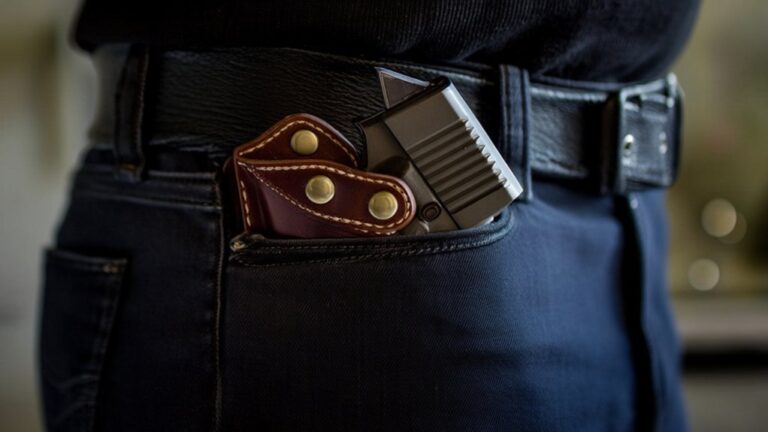
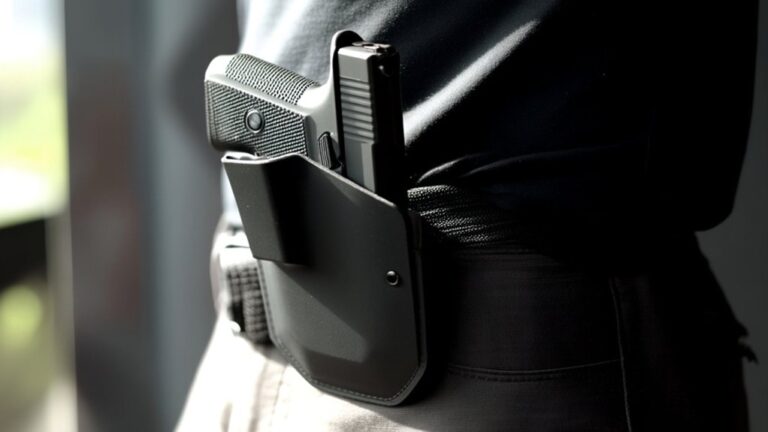
A holster claw is a small curved piece that attaches to your holster and presses your firearm firmly against your waistband. It keeps your gun stable, reduces printing by pressing the grip closer to your body, and prevents uncomfortable shifting or digging during movement. This helps you carry discreetly and comfortably while maintaining a secure fit. If you want to understand how it improves retention, concealment, and how to adjust or maintain it for your carry style, there’s more to explore.
What Is a Holster Claw and Why Use One
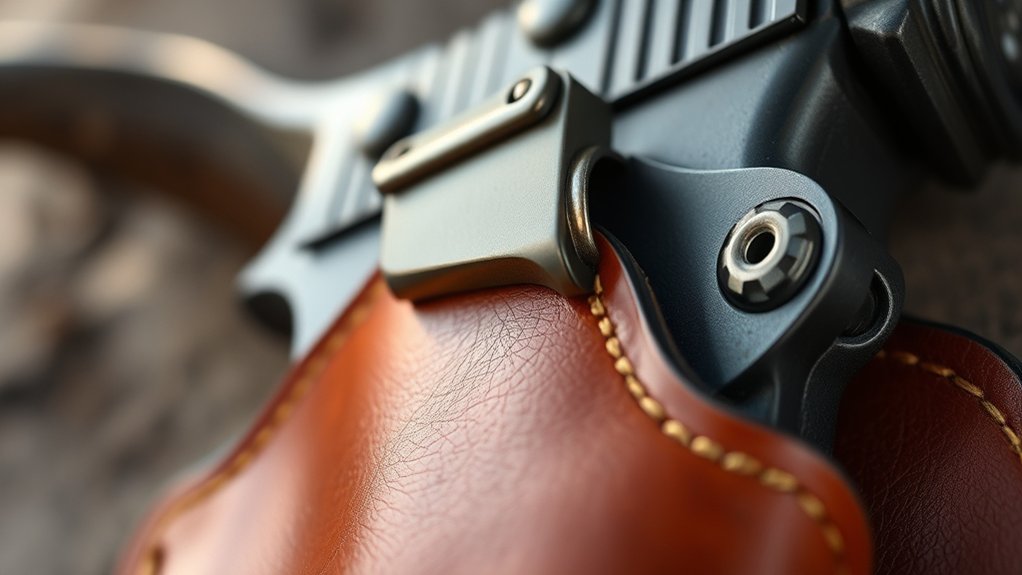
Although it might seem like a small addition, a holster claw can substantially improve your firearm’s comfort and stability.
You’ll find that a holster claw is a small, curved piece attached to your holster, designed to press against your body, usually around the waistband area. Its purpose isn’t just cosmetic—it helps position your firearm more snugly against your body, reducing printing and shifting.
When you move, the claw keeps your gun from digging into your side or shifting uncomfortably. You’ll appreciate that this simple component helps balance the weight and pressure, making your carry experience smoother throughout the day.
If you want your handgun to feel more secure and less intrusive, adding a holster claw is a smart move.
How a Holster Claw Improves Retention
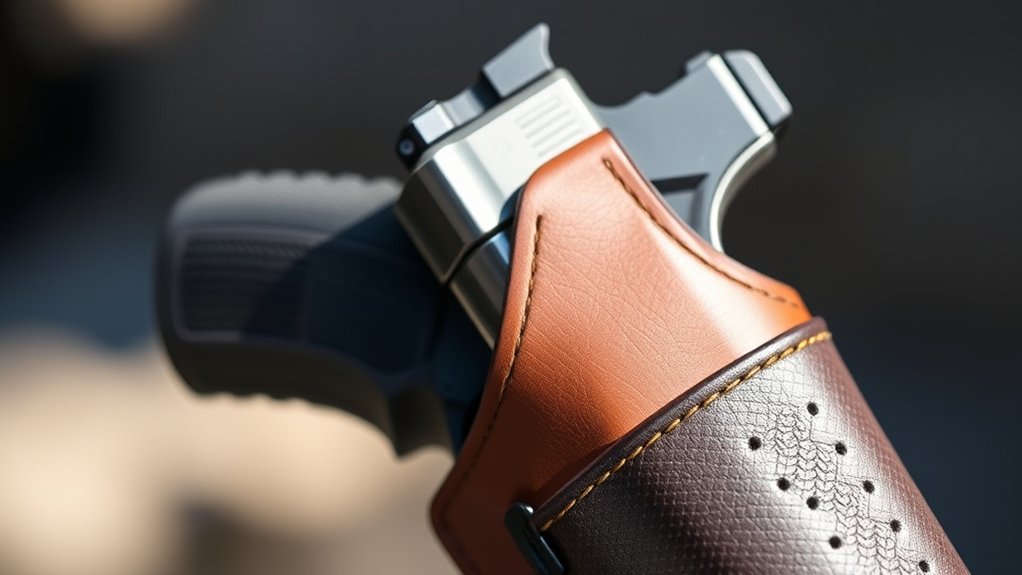
When you add a holster claw to your setup, it actively enhances your firearm’s retention by pressing the gun firmly against your body. This pressure creates a more secure fit, reducing any unwanted movement or shifting of the firearm while you’re moving.
The claw hooks into your belt or waistband, anchoring the holster and preventing it from loosening or rotating. This means you can draw your weapon smoothly without worrying about the holster shifting or the gun slipping out.
How a Holster Claw Reduces Printing
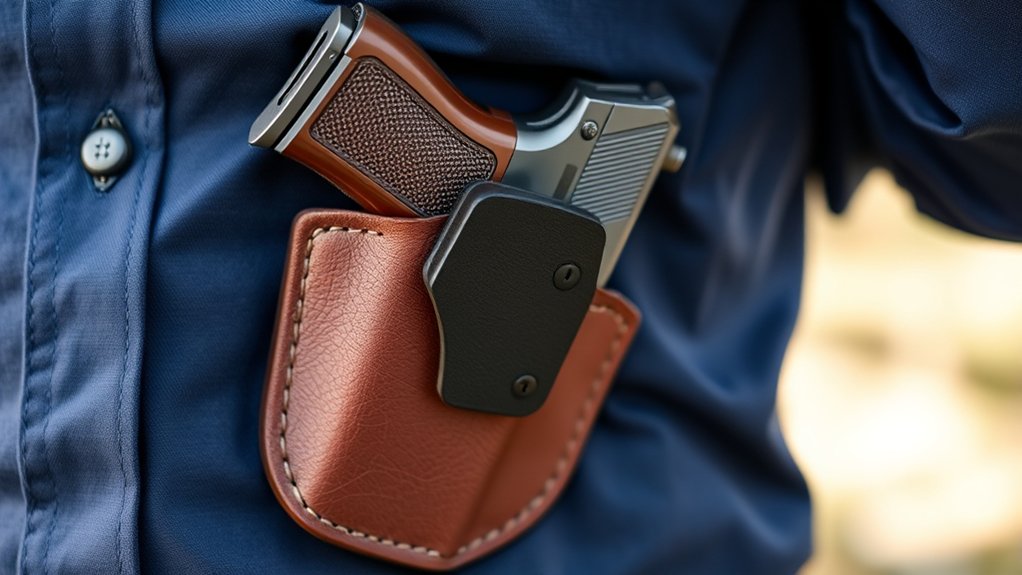
How exactly does a holster claw help reduce printing? When you wear a concealed holster, the firearm’s outline can sometimes show through your clothing, known as printing.
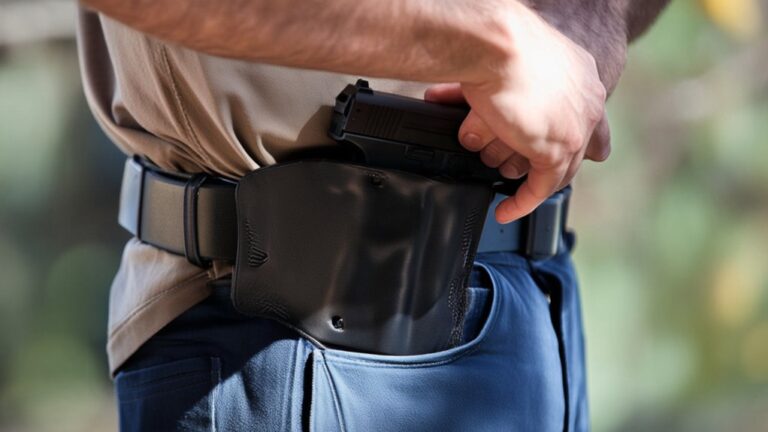
A holster claw presses against your belt or waistband, pushing the grip of your gun closer to your body. This slight inward rotation changes the angle of the firearm, minimizing its visible profile under your shirt or jacket.
By reducing the gap between your gun and your body, the holster claw prevents the grip from creating a noticeable bulge. This way, you avoid unwanted attention and maintain a smooth, discreet silhouette.
Essentially, the holster claw helps you keep your firearm concealed more effectively without compromising comfort or accessibility.
Pros and Cons of Using a Holster Claw
A holster claw offers a practical solution to minimize printing, but it’s important to weigh its advantages and disadvantages before deciding if it’s right for you.
On the plus side, it helps keep your firearm close to your body, reducing visible outlines and improving concealment. It also enhances stability, preventing your gun from shifting during movement, which can boost comfort and confidence.
However, you might find the claw adds extra bulk or pressure against your body, potentially causing discomfort during extended wear. Additionally, it can require some trial and error to adjust properly for your body shape and clothing style.
Ultimately, whether a holster claw works for you depends on your priorities for concealment, comfort, and ease of use.
Types of Holster Claws: Shapes and Attachments
Since holster claws come in various shapes and attachment styles, understanding their differences can help you choose the best fit for your carry setup. You’ll find claw designs ranging from simple curved plates to more complex, adjustable models.
Some claws feature a flat, wide shape that presses firmly against your body, maximizing concealment by reducing printing. Others have a narrower profile for added comfort during extended wear.
Attachments vary too. Many claws use screws to connect directly to the holster’s belt clip or paddle, making installation straightforward.
Some models offer modular systems, allowing you to swap or reposition the claw for a customized fit.
Knowing these options assures you pick a claw that balances comfort, concealment, and security in your daily carry.
Common Materials and Design Features in Holster Claws
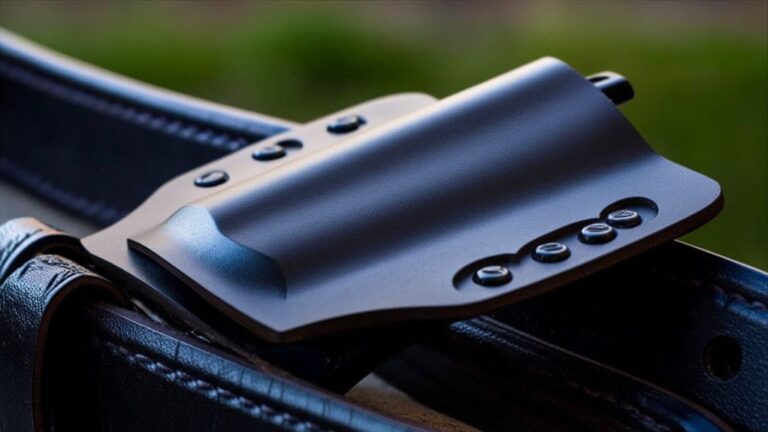
When you select a holster claw, the materials and design features play a crucial role in its performance and comfort. Most holster claws are made from durable polymers like Kydex or injection-molded plastic, providing rigidity and resistance to wear. Some use metal components for added strength, but plastic remains popular due to its lightweight nature.
Design-wise, claws often have curved or angled edges to press securely against your body, helping to reduce printing. You’ll also find adjustable models with screws or snaps, allowing you to fine-tune the claw’s position for better concealment.
Ventilation holes or textured surfaces may be added for breathability and grip. Choosing the right combination ensures your holster claw stays reliable without sacrificing comfort during extended wear.
Which Holster Claw Works Best for Your Carry Style?
Choosing the right holster claw depends heavily on how you carry your firearm and the specific challenges you face with concealment.
If you carry appendix, a smaller, curved claw can help press the grip closer to your body, reducing printing.
For strong-side or hip carry, a larger claw might better stabilize the pistol, preventing unwanted movement throughout the day.
If you frequently sit or bend, consider a claw with flexible material to maintain comfort without sacrificing retention.
Also, think about your clothing—thicker fabrics may require a more aggressive claw to counteract shifting.
Ultimately, you want a holster claw that balances concealment with comfort, tailored to your daily activities and carry position.
Testing different claw styles can help you find the perfect fit for your needs.
How a Holster Claw Affects Draw Speed and Accessibility
Although a holster claw primarily enhances concealment and retention, it can also impact how quickly and smoothly you draw your firearm. The claw anchors the grip closer to your body, reducing printing but slightly changing the angle at which you draw.
If the claw is well-fitted, you’ll find your draw remains fluid and natural. However, a poorly adjusted claw might cause your firearm to catch on your clothing or holster, slowing your draw.
With practice, you’ll adapt to the subtle change in motion the claw creates, maintaining quick accessibility without sacrificing concealment. Ultimately, the claw’s design and positioning should balance stealth with ease of access, letting you draw efficiently when it counts.
How to Install a Holster Claw on Your Holster
Mastering the subtle adjustment of your holster claw not only improves draw speed but also sets the stage for a proper installation.
Begin by detaching your holster’s belt clip or paddle to access the mounting area.
Align the holster claw with the designated screw holes on your holster’s body.
Use the screws supplied with the claw kit to secure it firmly in place, but don’t overtighten—this allows for minor adjustments later.
Make sure the claw’s curved edge faces inward, intended to hook onto your belt and stabilize the holster.
Once installed, reattach the belt clip or paddle.
Check that the claw sits flush against the holster, ensuring it won’t shift during movement.
With these steps, your holster claw will be ready to enhance retention and comfort.
Adjusting Your Holster Claw for Maximum Comfort
Once your holster claw is installed, you’ll want to fine-tune its position to guarantee it stays comfortable during extended wear. Start by loosening the screws slightly so you can adjust the claw’s angle and depth.
Move it incrementally to reduce any pressure points that might dig into your body. Pay attention to how the claw affects the holster’s ride height and cant, as these impact concealment and comfort.
Wear your holster for a short period after each adjustment to assess fit and comfort. Don’t hesitate to tweak it multiple times—small changes can make a big difference.
Once you find the sweet spot, tighten the screws securely. Proper adjustment ensures your holster claw effectively reduces printing without compromising comfort throughout the day.
Popular Holster Claw Brands and Models
When choosing a holster claw, you’ll find several reputable brands offering models designed to enhance comfort and concealment.
Raven Concealment’s Eidolon series features a popular adjustable claw that’s easy to install and customize.
Another reliable choice is the Tulster’s OWB Holster Claw, known for its durable polymer build and effective grip on your belt.
If you prefer leather options, DeSantis offers a classic leather claw that adds subtle control without bulk.
For those seeking modularity, the Alien Gear Cloak Claw lets you swap out claws to find the perfect fit.
Each of these brands focuses on improving your draw and minimizing printing, so you can confidently wear your firearm all day while staying discreet and comfortable.
Maintaining and Caring for Your Holster Claw
Choosing the right holster claw is just the start of ensuring a comfortable and secure carry experience. To keep it working effectively, you need to maintain it regularly.
Check the claw for any signs of wear or damage, especially if you carry daily.
Clean it with a soft cloth to remove dirt and sweat, which can cause corrosion or weaken materials over time.
Avoid using harsh chemicals that might degrade the claw’s finish or structure.
Tighten any screws or attachments to prevent loosening during use.
If your holster claw is adjustable, verify it stays in the correct position to maintain proper grip on your firearm.
With simple care, you’ll extend the life of your holster claw and keep your carry reliable.
Frequently Asked Questions
Can a Holster Claw Be Used With All Handgun Models?
You can’t use a holster claw with all handgun models because its effectiveness depends on your gun’s shape and size. Make sure to choose one designed to fit your specific handgun for proper retention and comfort.
Does a Holster Claw Affect Firearm Legality or Compliance?
Like a seatbelt, a holster claw doesn’t affect your firearm’s legality or compliance. You’re still responsible for following local laws, so always check regulations before adding accessories to guarantee you stay within legal limits.
Are Holster Claws Suitable for Left-Handed Shooters?
Yes, holster claws can work for left-handed shooters, but you’ll need a model designed specifically for left-hand use. Make certain the claw’s orientation matches your draw hand to guarantee proper retention and comfort.
How Does Body Type Influence Holster Claw Effectiveness?
Your body type affects holster claw effectiveness because different shapes and sizes change how the claw presses against your belt or body. You’ll need to adjust or choose a claw that fits your build for comfort and retention.
Can Holster Claws Be Used for Open Carry Setups?
Like a lighthouse in a storm, holster claws can guide your firearm’s stability during open carry. You’ll find they reduce printing and improve retention, making your setup more comfortable and secure throughout the day.
Conclusion
Picture your holster hugging your hip, the claw snugly pressing against your body, keeping your firearm secure and hidden. With a holster claw, you gain confident retention and stealth, reducing unwanted printing while staying comfortable all day. Whether you’re out on patrol or at the range, this small attachment makes a big difference. Installing and adjusting it puts control right in your hands—ensuring your gear works with you, not against you.