What Is an Appendix Carry Holster?
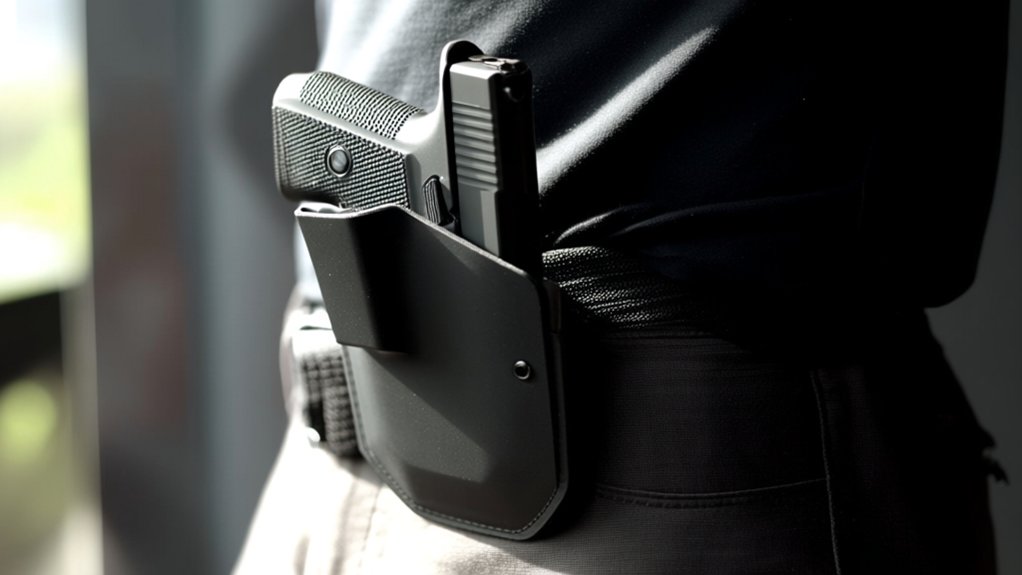
An appendix carry holster lets you securely carry your handgun at the front of your waistband, near your appendix area. It offers quick, natural access by positioning the firearm where your dominant hand naturally rests, making draws faster and smoother. The holster stays snug to reduce printing and improve comfort, especially when sitting or driving. You’ll also find adjustable options to fit your style and needs. Keep exploring to discover how it enhances safety, concealment, and overall carry experience.
What Is Appendix Carry and How Does It Work?
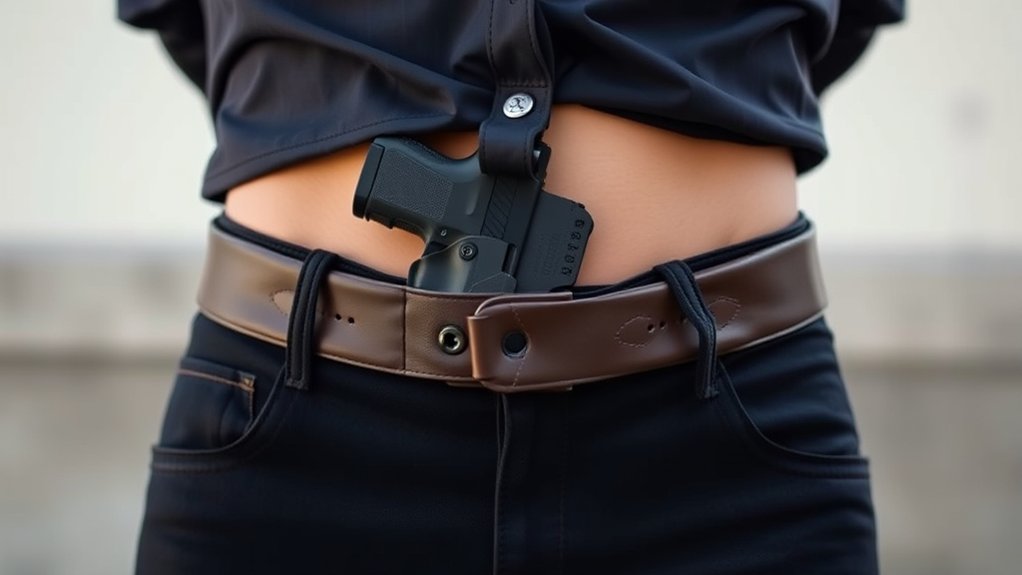
Although appendix carry may seem unfamiliar at first, it simply means carrying your handgun in a holster positioned at the front of your body, just inside the waistband near your appendix area. You place your firearm where it’s easily accessible, typically between your belly button and hip.
This setup allows for quick, natural draws, especially when seated or in tight spaces. When you wear an appendix carry holster, it stays snug against your body, reducing printing and keeping your gun secure.
You’ll want to practice your draw regularly to build muscle memory and guarantee safety. Proper holster choice and fit are vital since the position demands careful attention to trigger protection and comfort throughout your daily activities.
Benefits of Appendix Carry Holsters
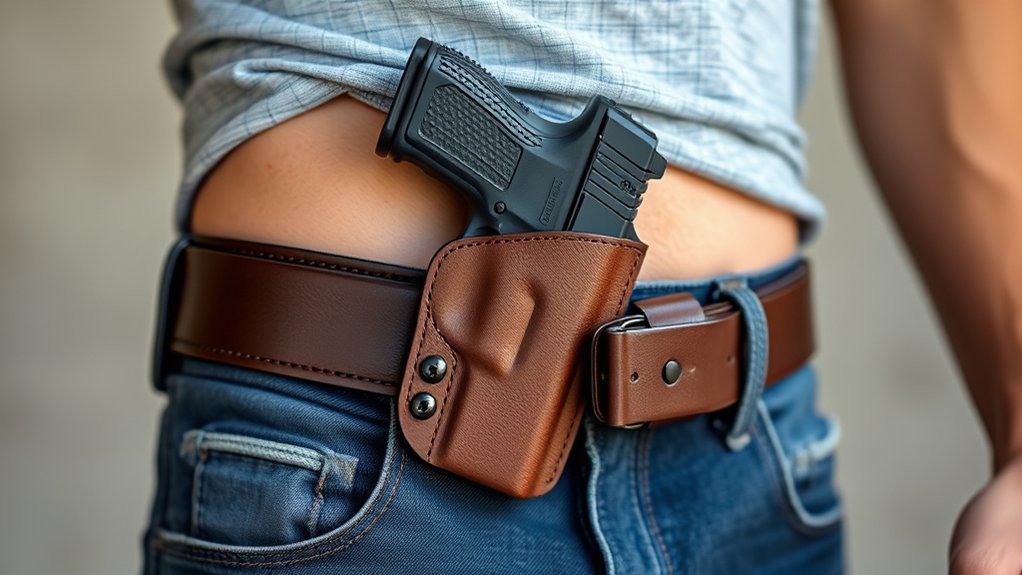
When you choose an appendix carry holster, you gain quick access to your firearm without sacrificing comfort or concealment. This carry method places your handgun in front of your body, making draws faster and more natural.
You’ll appreciate how it keeps your weapon secure yet readily available, even when seated or moving. Plus, appendix carry tends to reduce printing, helping you stay discreet.
Here are some key benefits:
- Enhanced draw speed due to the gun’s forward position
- Improved concealment under everyday clothing
- Increased comfort, especially when sitting or driving
Key Features of Appendix Carry Holsters
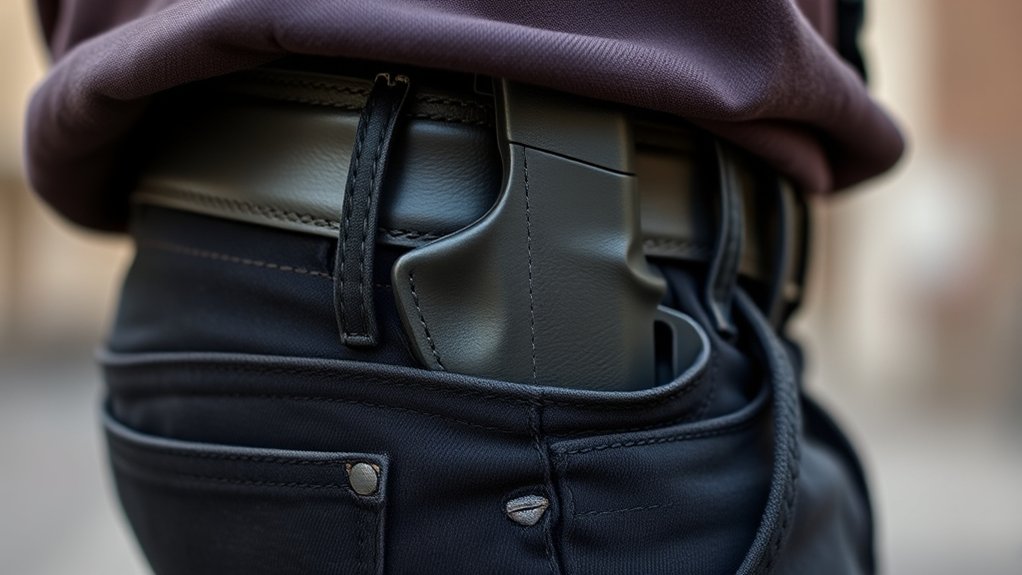
The benefits of appendix carry holsters come from specific design elements that prioritize accessibility, comfort, and concealment. You’ll notice these holsters sit at the front of your body, usually between the navel and hip, making your firearm easy to reach.
They use adjustable clips or loops to secure the holster firmly inside your waistband, preventing shifting during movement. Many feature a slim profile to reduce printing under clothing, helping you stay discreet.
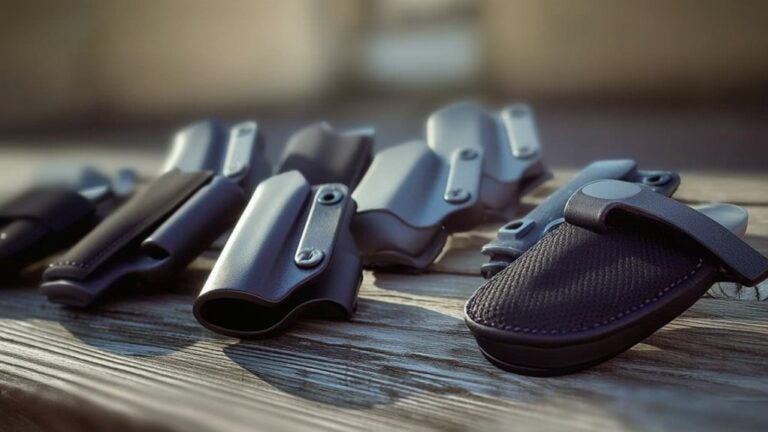
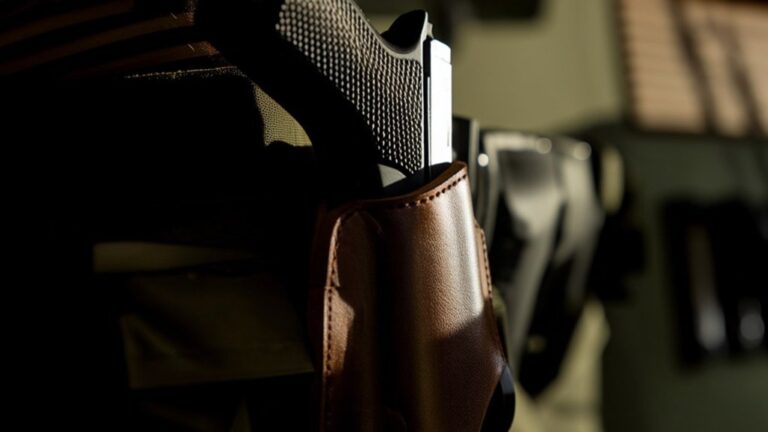
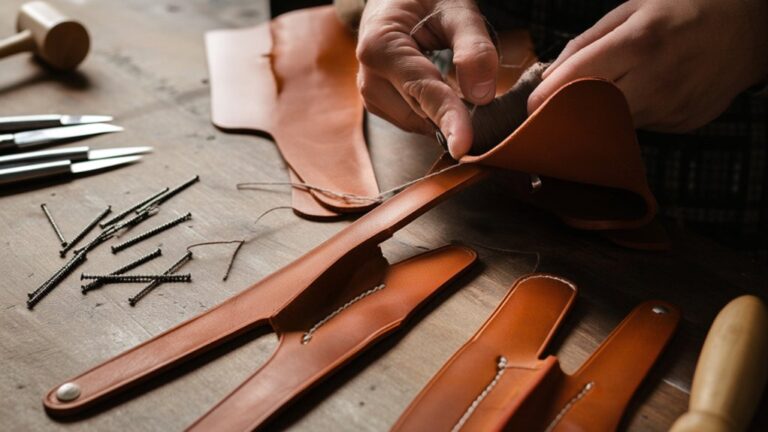
The holster’s material, often Kydex or leather, molds to your gun’s shape for a snug fit and reliable retention. Additionally, good appendix carry holsters offer adjustable cant angles, letting you customize the draw position for comfort and practicality throughout your day.
How Appendix Carry Improves Draw Speed
How quickly can you draw your firearm in a critical moment? Appendix carry holsters position your gun at the front of your body, allowing a faster, more natural draw compared to other carry methods. This placement minimizes the distance your hand travels, helping you access your weapon swiftly and efficiently.
Here’s how appendix carry improves your draw speed:
- Direct access: Your dominant hand naturally rests near the holster, cutting down reaction time.
- Smooth draw path: The forward position reduces awkward movements or clothing interference.
- Consistent draw angle: The standardized location helps build muscle memory for rapid, reliable retrieval.
Comfort With Appendix Carry Holsters
Although appendix carry holsters place your firearm in a forward position, many users find them surprisingly comfortable for everyday wear. When you choose a well-designed holster that fits your body shape and firearm size, it minimizes pressure points and reduces discomfort during long periods of use.
The key is to pick a holster made from lightweight, breathable materials with smooth edges that won’t irritate your skin. You’ll also want to adjust the cant and ride height to suit your body and clothing style, helping the firearm sit naturally.
While it might take a short break-in period, once you get used to the position, appendix carry can feel secure and unobtrusive, allowing you to carry confidently without constant awareness of your firearm.
Best Firearms for Appendix Carry Holsters
Finding a comfortable holster is only part of the equation; selecting the right firearm for appendix carry makes all the difference in ease and accessibility. You want a gun that’s compact, lightweight, and easy to draw quickly from the front of your waistband. Full-size pistols tend to be bulky and less comfortable for this carry style.
Consider these firearms for your appendix carry setup:
- Glock 43X: Slim, reliable, and has a great grip length.
- Sig Sauer P365: Compact with high capacity and excellent ergonomics.
- Smith & Wesson M&P Shield Plus: Lightweight with a slim profile and smooth trigger.
Choosing one of these assures you stay comfortable without sacrificing performance or speed when you need it most.
How to Position Your Appendix Carry Holster Correctly
Positioning your appendix carry holster correctly is essential for comfort, safety, and quick access. Start by placing the holster just below your navel, centered between your hips. This spot allows a natural draw while minimizing discomfort during movement.
Adjust the cant angle to a slight forward tilt, about 15 to 20 degrees, so the grip points toward your strong side. Make certain the holster sits snugly against your body without digging in or causing pressure points.
Use adjustable belt clips or loops to secure it firmly on your waistband. Check the retention so the firearm stays secure but can be drawn smoothly.
Finally, practice drawing and reholstering at this position to confirm it feels comfortable and efficient for your everyday carry.
Concealment Benefits of Appendix Carry Holsters
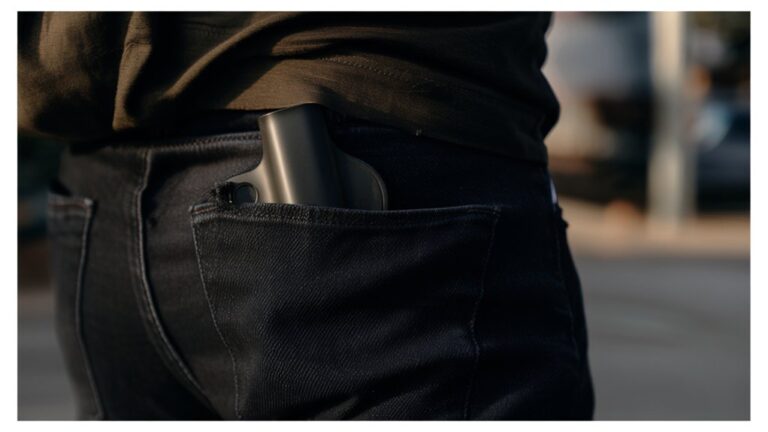
Because appendix carry holsters rest near the front center of your body, they offer exceptional concealment advantages. This position allows you to keep your firearm discreetly hidden under your shirt or jacket with minimal printing.
You’ll find it easier to access your weapon quickly without exposing it unnecessarily. Plus, the natural curve of your torso helps shield the gun from view.
Here are key concealment benefits you’ll appreciate:
- Reduced printing due to consistent body coverage
- Better concealment when sitting or bending compared to other carry positions
- Easier to blend your firearm with everyday clothing silhouettes
Staying Safe With Appendix Carry Placement
While appendix carry offers quick access and concealment, you must prioritize safety to prevent accidental injury. Always use a holster designed specifically for appendix carry with full trigger guard coverage. This reduces the risk of your finger accidentally engaging the trigger while holstering or drawing.
Practice a smooth, controlled draw and reholster motion to avoid snagging or dropping your firearm. Make sure your holster fits your gun securely to prevent shifting during movement.
Dress appropriately to conceal and protect the firearm, avoiding loose clothing that can get caught. Regularly inspect your holster and firearm for wear or damage.
Finally, train consistently to build muscle memory and confidence, ensuring you handle your firearm safely and responsibly every time you carry appendix.
Comparing Appendix Carry to Other Carry Methods
Though appendix carry offers unique advantages, it’s important to understand how it stacks up against other common carry methods like strong-side hip, cross-draw, and small of the back.
Each method has its own pros and cons depending on your comfort, accessibility needs, and concealment preferences.
- Strong-side hip carry offers faster draw angles for many but can be harder to conceal in tight clothing.
- Cross-draw places the firearm on the opposite side, making it easier to reach while seated but potentially slower to draw while standing.
- Small of the back carry provides excellent concealment but may pose safety concerns and is less comfortable for extended wear.
Knowing these differences helps you choose the carry style that fits your lifestyle and readiness best.
How to Fix Common Appendix Carry Problems
If you carry appendix style, you’ve likely encountered some common challenges like discomfort, printing, or difficulty drawing quickly.
To fix discomfort, adjust your holster’s cant and height until it sits comfortably against your body. Try different holster materials—leather molds to your shape, while Kydex offers rigid support.
To reduce printing, select clothing with more room or wear an untucked shirt or jacket. Consider a holster with a sweat guard or wing attachment to stabilize the firearm and prevent shifting.
For a smoother draw, practice your draw stroke regularly and ensure your holster allows a full, unobstructed grip.
Finally, check your belt’s stiffness; a quality, sturdy belt keeps your holster secure, improving both comfort and draw speed.
Frequently Asked Questions
Can Appendix Carry Holsters Be Used for Left-Handed Shooters?
Yes, you can find appendix carry holsters designed specifically for left-handed shooters. They’re made to fit comfortably and securely on your left side, ensuring easy access and effective concealment while you carry.
Are Appendix Carry Holsters Legal in All States?
No, appendix carry holsters aren’t legal in all states. You’ll need to check your local laws since some places restrict or prohibit carrying a firearm in that position. Always stay informed to avoid legal trouble.
How Do Appendix Carry Holsters Affect Clothing Choices?
Wearing an appendix carry holster shapes your clothing like a painter’s brush on canvas; you’ll want tighter, stretchy shirts and higher-rise pants to keep your gun discreet and comfortable, avoiding bulk or printing that gives you away.
Can Appendix Carry Holsters Be Used for Concealed Carry Permits?
Yes, you can use appendix carry holsters with concealed carry permits. They offer quick access and concealment, but you’ll need to check your local laws and verify your holster fits securely for safe, legal carry.
What Maintenance Is Required for Appendix Carry Holsters?
Think of your appendix carry holster like a bike chain—it needs regular cleaning and lubrication. You should wipe it down after use, check screws for tightness, and avoid moisture buildup to keep it reliable and comfortable every day.
Conclusion
Now that you know what an appendix carry holster is, you’re ready to experience faster draws and improved concealment. Like a trusty pocket watch in a digital age, this carry method blends old-school practicality with modern comfort and safety. Remember, choosing the right holster and proper placement is key to making appendix carry work for you. With a bit of practice, you’ll carry confidently and discreetly every day.