How to Holster a Weapon on a Human in 5 Essential Steps
To holster your weapon properly, start by understanding the importance of secure, accessible placement to prevent accidents. Next, choose a holster that fits your weapon and body type comfortably. Position and firmly attach it to your belt or waistband, adjusting for a quick, comfortable draw. Practice slow, safe drawing techniques to build confidence while keeping your finger off the trigger. Finally, inspect and maintain your holster regularly to guarantee reliability and safety. Following these basics sets a strong foundation for efficient weapon handling.
Understand Why Proper Holstering Matters
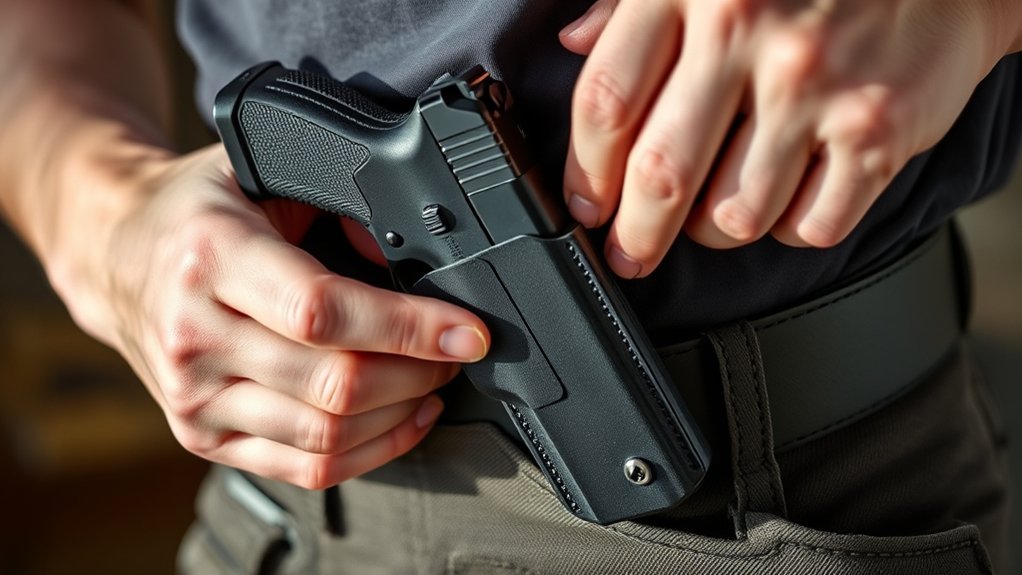
Although it might seem straightforward, proper holstering is essential because it guarantees your weapon is secure, accessible, and safe. When you holster your weapon correctly, you prevent accidental discharge and reduce the risk of losing it during movement.
You want your firearm to stay firmly in place but still be ready for quick access when needed. Improper holstering can cause discomfort, hinder your movement, and increase the chance of a weapon malfunction or snag.
Additionally, a well-holstered weapon minimizes noise and prevents unnecessary attention. Understanding why proper holstering matters helps you respect the responsibility that comes with carrying a weapon and encourages consistent, safe habits.
It’s not just about convenience—it’s about safety for you and those around you.
Choose the Right Holster for Your Weapon and Body Type
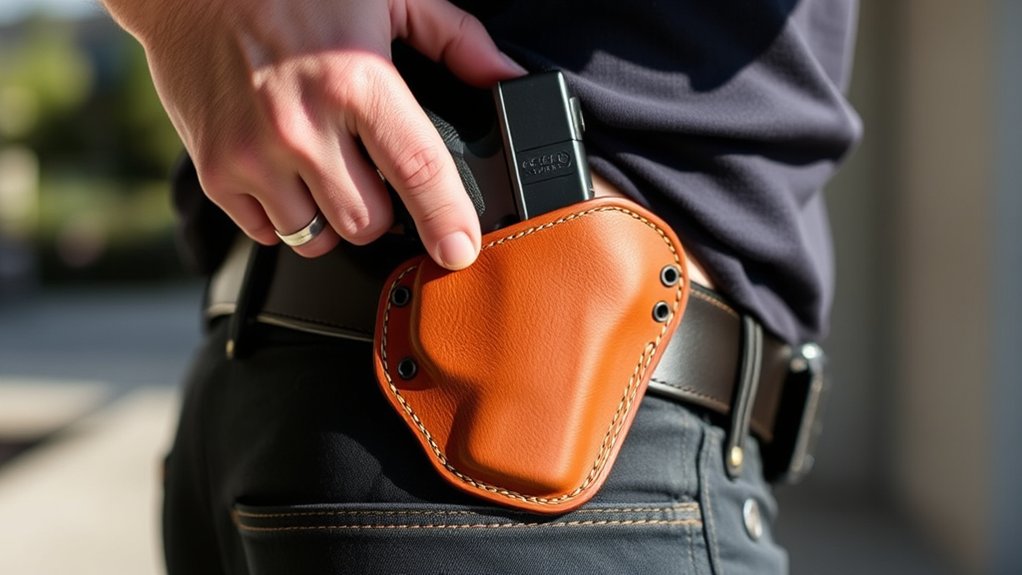
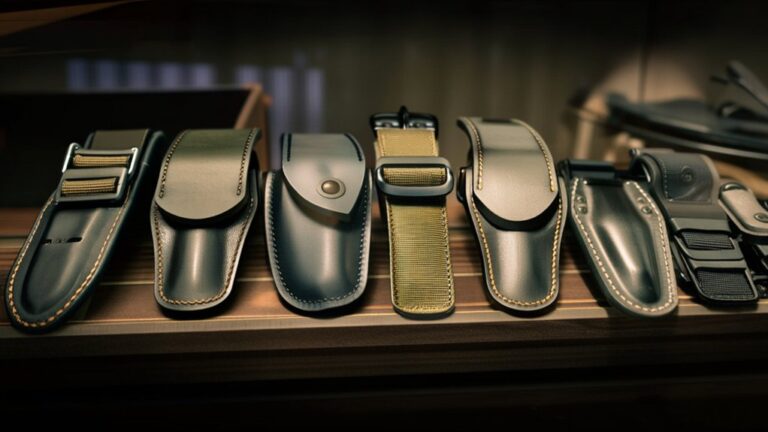
Selecting the right holster for your weapon and body type is essential for comfort, accessibility, and safety. First, consider your weapon’s size and shape—your holster must securely hold it without excess movement.
Next, evaluate your body type and daily activities. If you have a slim build, opt for low-profile holsters that minimize bulk. For larger or more athletic builds, you might choose holsters with adjustable retention or padding.
Material matters too; leather offers durability and comfort, while Kydex provides a rigid, quick-draw option.
Don’t overlook your dominant hand and draw style—some holsters favor specific grips or angles.
Ultimately, pick a holster that balances security with ease of access, ensuring you can draw your weapon swiftly and confidently when needed.
Position and Attach Your Holster Securely for Comfort and Speed
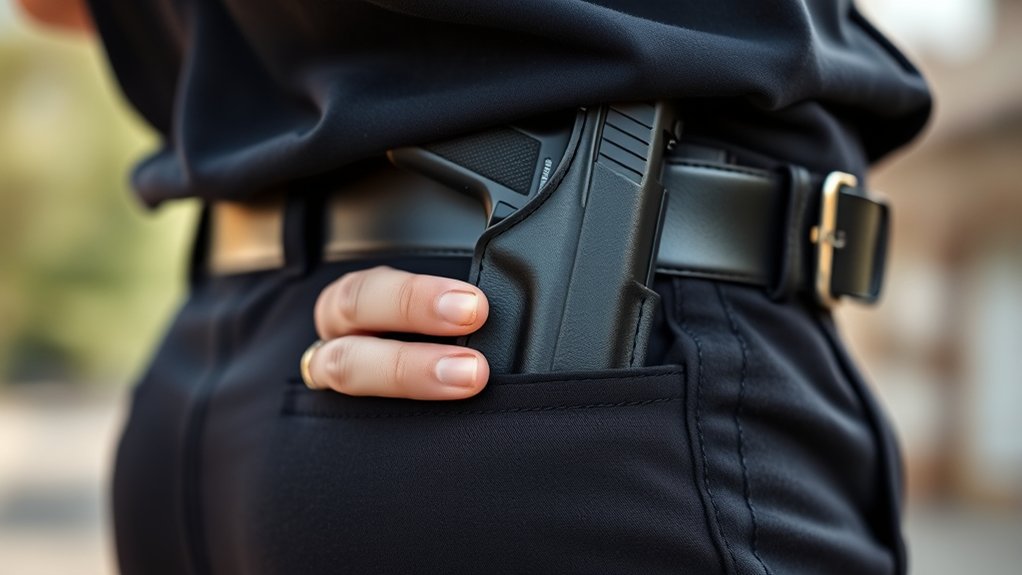
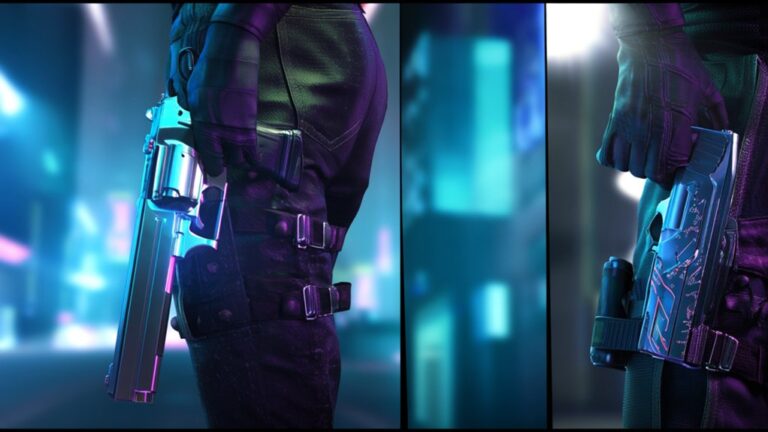
Once you’ve chosen the right holster, placing it correctly on your body makes all the difference in comfort and draw speed. Start by selecting a position that feels natural—commonly the strong side hip, appendix, or behind the hip.
Attach your holster firmly to your belt or waistband, ensuring it doesn’t shift when you move. Use sturdy clips or loops and double-check their tightness.
The holster should sit snugly against your body without causing discomfort or restricting movement. Angle the holster slightly forward or backward based on what feels fastest for your draw.
Practice Drawing and Holstering Safely to Build Confidence
Before you carry your weapon regularly, you need to practice drawing and holstering with care to build confidence and muscle memory. Start slowly, focusing on smooth, controlled movements to avoid accidental discharge or damage.
Make sure your finger stays off the trigger until the weapon is drawn fully and you’re ready to engage.
Repetition is key—practice in front of a mirror or with a training partner to monitor your form.
Gradually increase your speed as you become more comfortable.
Always prioritize safety by ensuring your weapon is unloaded during practice and using a holster that fits securely.
Inspect and Maintain Your Holster Regularly for Safety
Although practicing with your weapon is essential, you also need to inspect and maintain your holster regularly to guarantee safety and reliability.
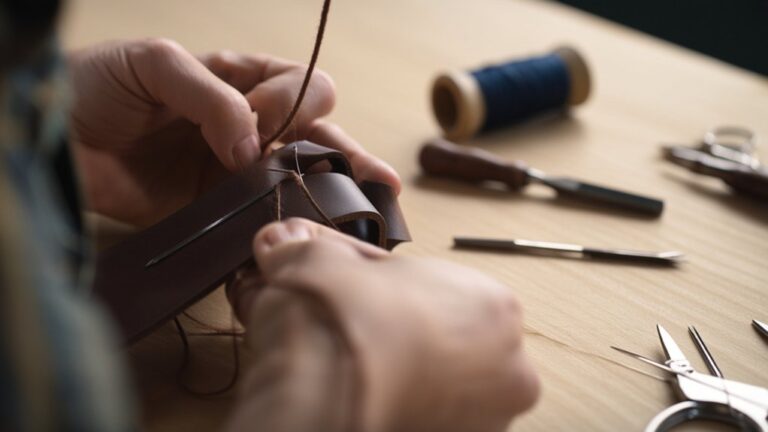
Start by checking for any cracks, tears, or loose stitching that could compromise the holster’s integrity. Make sure the retention mechanism works smoothly and holds your weapon securely without being too tight or too loose.
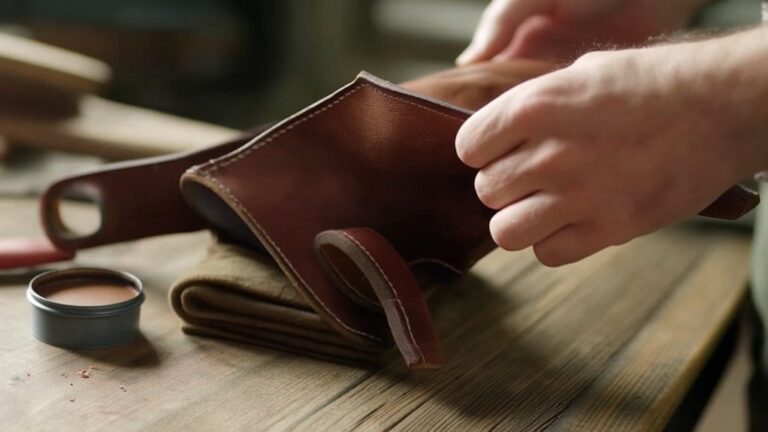
Clean your holster with appropriate products, avoiding harsh chemicals that might damage the material. If you notice any significant wear or damage, replace the holster immediately to prevent accidents.
Regular maintenance ensures your holster functions properly every time you draw or holster your weapon, reducing the risk of mishaps. Stay proactive about care, and your holster will serve you safely and effectively for years.
Frequently Asked Questions
Can I Holster a Weapon While Wearing Different Types of Clothing?
Yes, you can holster a weapon while wearing different clothing types, but you’ll need to adjust the holster placement and style for comfort and accessibility. Consider your outfit’s fit, movement, and concealment needs for the best results.
Are There Legal Restrictions on Where I Can Holster a Weapon?
About 45% of U.S. states regulate where you can holster a weapon, often restricting concealed carry locations. You’ll need to check your local laws to avoid penalties and guarantee you’re holstering your weapon legally and safely.
How Do I Holster a Weapon When Seated or Driving?
When seated or driving, holster your weapon securely on your strong side, avoiding interference with movement. Use a retention holster to prevent shifting, and practice drawing safely to guarantee quick access without fumbling.
What Should I Do if My Holster Causes Skin Irritation?
If your holster causes skin irritation, stop using it immediately. Clean the area, apply a soothing lotion, and consider switching to a softer, breathable holster material. Adjust the fit to reduce friction and avoid prolonged wear.
Can I Customize My Holster for Better Concealment?
You can absolutely customize your holster for better concealment—think of it like tailoring a classic suit to fit perfectly. Adjust materials, angles, or clips so it stays discreet and comfortable, just like a secret agent’s trusted gear.
Conclusion
Holstering your weapon is like fitting the final piece of a puzzle—it’s what turns preparation into readiness. When you choose the right holster, position it just right, and practice with care, you’re not just carrying gear; you’re carrying confidence. Remember, a well-maintained holster is your silent partner, always ready. Keep honing these steps, and you’ll move with the ease and precision of a well-oiled machine every time you draw.