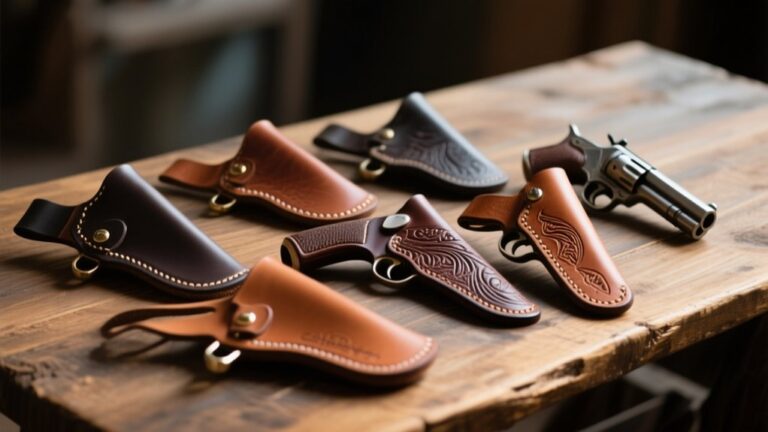
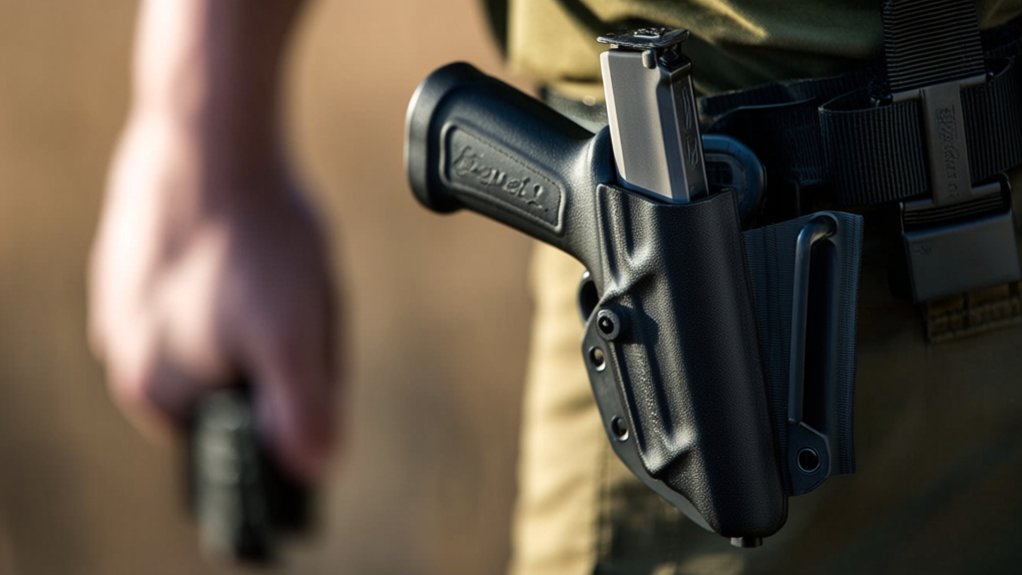
What Is a Level 2 Holster and How to Use It
A Level 2 holster secures your firearm with two retention features, like a thumb break plus a hood, keeping it safe yet quickly accessible. You wear it attached firmly to your belt in a comfortable position, ensuring the retention devices engage fully. Practice your draw while keeping your finger off the trigger until ready. Proper care includes regular cleaning and checking for wear. If you want to enhance your security and handling, there’s plenty more useful info ahead.
What Defines a Level 2 Holster?
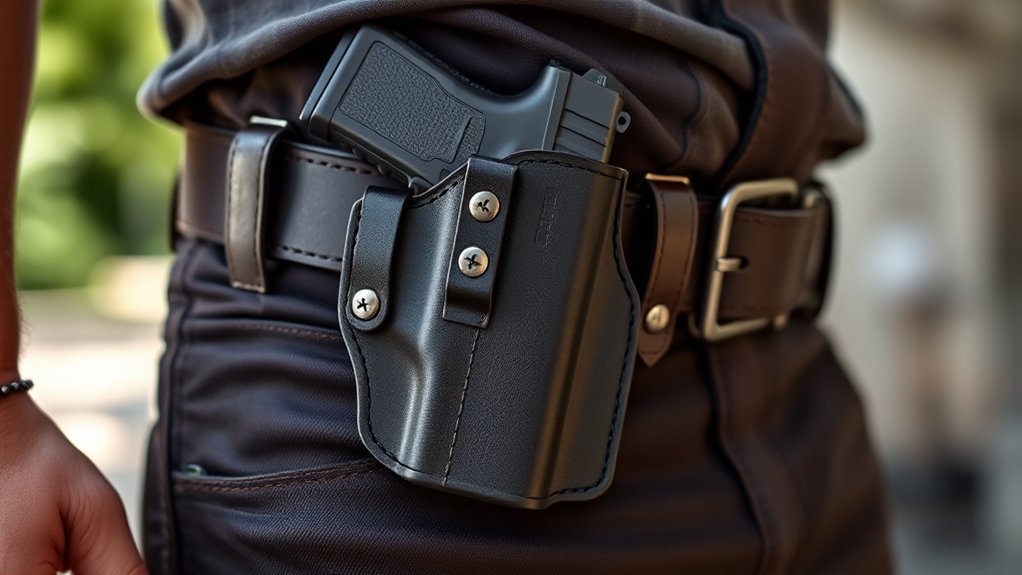
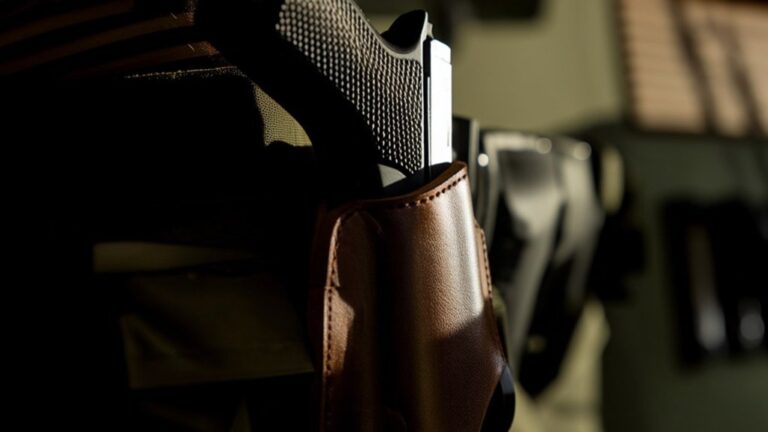
Although holsters come in various designs, a Level 2 holster specifically includes two retention features to secure your firearm.
You’ll find that these features often combine a friction lock or strap with an additional mechanical lock, like a thumb break or a hood.
This dual retention system guarantees your gun stays firmly in place, reducing the chance of accidental drops or unauthorized access.
When you draw your weapon, you’ll need to disengage both retention mechanisms, which adds a layer of security without making access overly complicated.
Level 2 holsters strike a balance between ease of use and security, making them popular for law enforcement and everyday carry.
You can trust that your firearm remains secure during movement while still being accessible when needed.
How Level 2 Holsters Compare to Levels 1 and 3
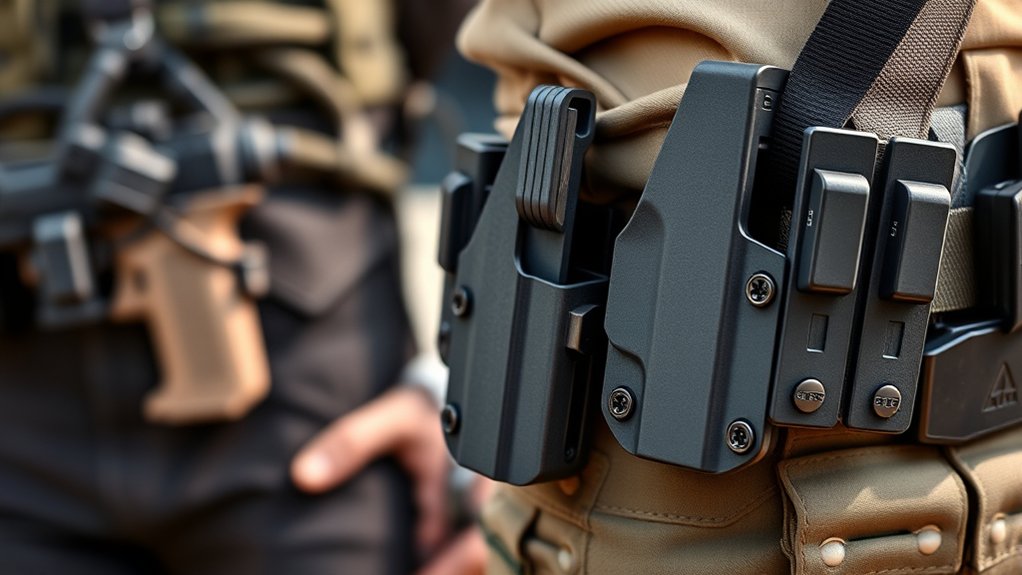
When choosing a holster, understanding the differences between Level 1, Level 2, and Level 3 retention can help you pick the right balance of security and accessibility.
Level 1 holsters offer the least retention, usually relying on friction or a simple thumb break. They’re easy to draw from but provide minimal protection against accidental or unauthorized draws.
Level 2 holsters add an extra retention device, like a hood or strap, requiring you to perform an additional step when drawing your firearm. This offers better security without markedly slowing your draw.
Level 3 holsters incorporate three retention mechanisms, making them the most secure but also the slowest to access.
If you want moderate security with quick access, Level 2 holsters strike a practical balance.
Safety Features That Make Level 2 Holsters Reliable
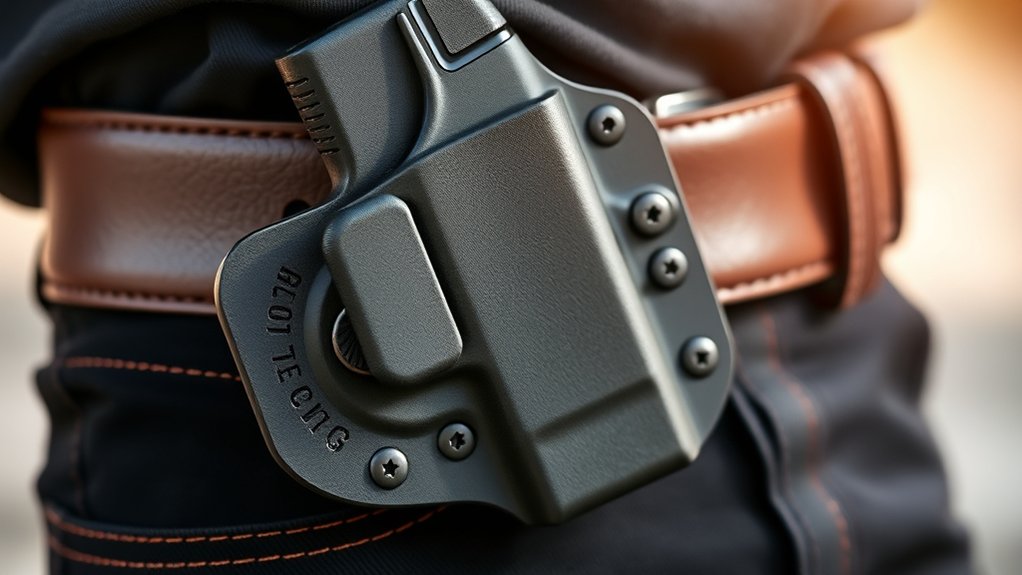
Because Level 2 holsters include two retention mechanisms, they provide a reliable level of security without sacrificing quick access. You can confidently carry your firearm knowing it won’t accidentally fall out or be easily grabbed by someone else.
These safety features balance protection and readiness, making them ideal for daily use.
Here’s what makes Level 2 holsters dependable:
- Dual retention reduces accidental releases and unauthorized access.
- Secure locking ensures the firearm stays firmly in place during movement.
- Ergonomic design allows you to disengage retention quickly when drawing.
- Durable materials resist wear, maintaining consistent security over time.
With these features, you get peace of mind without slowing down your response when you need your firearm.
Common Retention Mechanisms for Level 2 Holsters
To get the most out of a Level 2 holster, you need to understand the common retention mechanisms that keep your firearm secure. These typically include a thumb break strap, which you release with your thumb during a draw, providing an extra layer of security.
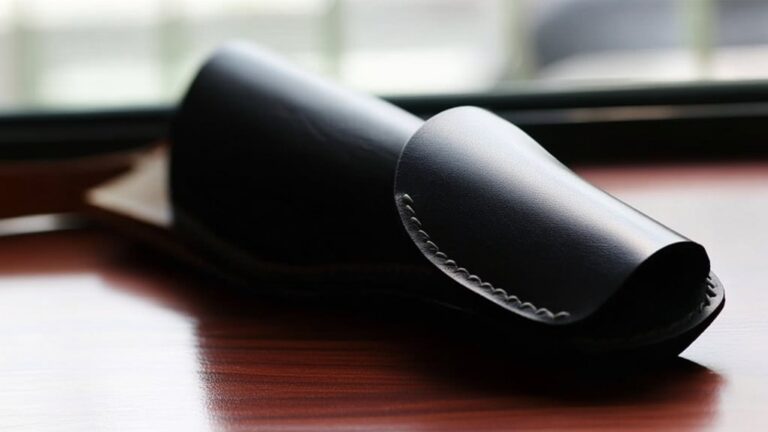
Another common feature is a hood or retention hood that snaps over the firearm’s slide, preventing accidental removal. Some Level 2 holsters use a trigger guard lock, securing the gun by locking onto the trigger guard area, ensuring it won’t come loose.
You might also find holsters with adjustable tension screws, allowing you to fine-tune how tightly the holster grips your firearm. Knowing how these mechanisms work lets you carry confidently, balancing quick access with reliable retention.
Benefits of Using a Level 2 Holster for Daily Carry
Although daily carry demands a balance between accessibility and security, a Level 2 holster gives you both by combining secure retention features with quick draw capabilities.
Using a Level 2 holster helps you feel confident knowing your firearm stays firmly in place, even during physical activity. You’ll appreciate the peace of mind that comes with added retention, reducing the risk of accidental drops or unauthorized access.
Plus, these holsters usually allow smooth, fast draws, so you won’t be slowed down in critical moments.
- Enhanced firearm security without sacrificing draw speed
- Increased confidence during movement or strenuous activity
- Reduced risk of accidental firearm loss or theft
- Greater peace of mind for everyday carry situations
How to Choose a Level 2 Holster Based on Fit and Security
Feeling confident with your Level 2 holster comes down to choosing one that fits your firearm securely while offering reliable retention features. Start by selecting a holster specifically molded for your gun model to guarantee a snug fit that prevents unwanted movement.
Look for adjustable retention screws or locking mechanisms that let you fine-tune the grip on your firearm, balancing security with quick access. Materials like high-quality Kydex or reinforced leather often provide consistent retention without compromising durability.
Also, consider holsters with dual retention systems, such as a thumb break combined with friction retention, which enhance security during active use. Ultimately, focus on a Level 2 holster that feels stable and keeps your firearm firmly in place without making draws cumbersome or slow.
How to Attach a Level 2 Holster Securely
When you attach a Level 2 holster securely, you guarantee both safety and quick access to your firearm. Start by ensuring your belt is sturdy and fits well because the holster relies on it for support.
Slide the holster’s clips or loops over the belt firmly, so it doesn’t shift during movement. Double-check any retention straps or locking mechanisms are properly engaged to keep the firearm in place.
Finally, test the holster’s stability by moving around and drawing your weapon slowly to confirm it stays secure but accessible.
- Choose a belt width compatible with the holster’s attachment system
- Firmly fasten all clips or loops without forcing them
- Engage retention features fully for added security
- Practice drawing to verify stable, smooth access
Best Positions for Wearing a Level 2 Holster
After securing your Level 2 holster properly, the next step is choosing the best position to wear it. You’ll want to prioritize comfort, accessibility, and concealment.
The most common spots are strong-side hip, appendix carry, and behind the hip. Strong-side hip offers quick access and is comfortable for most users.
Appendix carry places your holster at the front, which can be faster to reach but requires caution to avoid printing or discomfort.
Behind the hip is more discreet but might slow your draw slightly.
Consider your daily activities, clothing style, and body shape when deciding.
Try different positions to see what feels natural while keeping your weapon secure and ready.
The right position makes a huge difference in how you carry and respond.
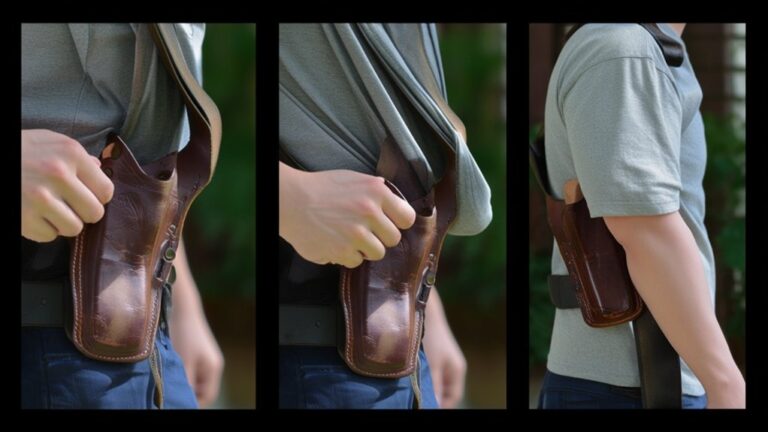
How to Draw From a Level 2 Holster
Although drawing from a Level 2 holster requires a deliberate motion due to its retention features, mastering the technique guarantees both speed and safety.
You’ll start by positioning your dominant hand firmly on the grip, ensuring a solid purchase.
Next, release the retention mechanism—usually a thumb or index finger lever—while maintaining grip pressure.
Then, smoothly draw the firearm straight up and clear of the holster, keeping your finger off the trigger.
Finally, bring the weapon into your firing position with control.
Keep these points in mind:
- Familiarize yourself with your holster’s specific retention release
- Use a deliberate, controlled motion to avoid fumbling
- Maintain muzzle awareness throughout the draw
- Practice the sequence to build muscle memory and confidence
Practice Tips for Safe, Efficient Drawing
Mastering the draw from a Level 2 holster takes more than just understanding the steps—you need consistent practice to build speed and safety. Start slow, focusing on smooth, deliberate motions. Repetition helps your muscle memory develop, so practice regularly in a controlled environment.
Use dry-fire drills to refine your grip and draw without live ammunition. Always keep your finger off the trigger until you’re ready to shoot.
Incorporate situational drills to simulate real-world scenarios, improving your reaction time and decision-making. Pay attention to your stance and body positioning to maintain balance and control.
How to Maintain and Clean Your Level 2 Holster
To keep your Level 2 holster functioning smoothly and safely, you need to maintain and clean it regularly. Dirt, sweat, and debris can build up, affecting its retention and ease of draw.
Start by wiping the exterior with a damp cloth to remove surface grime. Then, check all screws and retention devices to ensure they’re tight and functioning properly. Use a soft brush to clean hard-to-reach areas, avoiding harsh chemicals that might damage the material.
Finally, allow the holster to air dry completely before use.
- Clean regularly to prevent buildup and maintain retention
- Inspect screws and retention settings frequently
- Avoid harsh cleaners that degrade holster materials
- Dry holster completely to prevent moisture damage
Keeping your holster in top shape ensures safety and reliability every time you draw.
Troubleshooting Common Issues With Level 2 Holsters
When your Level 2 holster doesn’t perform as expected, it’s important to identify and fix common issues quickly to guarantee safety and reliability.
If you notice difficulty drawing or reholstering, check for debris or damage obstructing the retention mechanism. Cleaning and lubricating moving parts can restore smooth function.
If the holster feels loose, tighten screws or adjust retention settings as needed.
A worn or cracked holster shell compromises security, so replace it promptly.
Pay attention to unusual noises or stiffness, which often signal mechanical wear or dirt buildup.
Also, verify the holster mounts securely to your belt or gear to prevent shifting.
When to Upgrade From a Level 2 to a Higher-Level Holster
If you’ve addressed common issues with your Level 2 holster but still find it lacking in security or comfort, it might be time to contemplate an upgrade. You should consider moving to a higher-level holster when your needs outgrow what Level 2 offers.
This often happens if you require more retention points or enhanced protection.
Look for these signs:
- You frequently worry about your firearm slipping or being accessed by others.
- Your daily activities demand more aggressive movement or physical contact.
- You need a holster that supports additional tactical gear or attachments.
- Comfort becomes a persistent issue during extended wear.
Upgrading guarantees your holster matches your lifestyle, improving safety and confidence.
Top Brands and Models of Level 2 Holsters to Consider
While choosing the right Level 2 holster can feel overwhelming, focusing on reputable brands simplifies the process. You’ll want to contemplate Safariland, known for their Secure-Lok retention system, which offers solid security without sacrificing quick access.
Another top choice is Blackhawk, with their Serpa holsters that combine Level 2 retention and comfortable wear. If you prefer a minimalist design, look at Alien Gear’s ShapeShift series, which balances retention and concealability effectively.
For a versatile option, try the Comp-Tac MTAC, praised for adjustable retention and durability. When selecting a model, ensure it fits your firearm and suits your daily activities.
Frequently Asked Questions
Can Level 2 Holsters Be Used With All Handgun Models?
No, you can’t use Level 2 holsters with all handgun models. They’re designed for specific shapes and sizes, so you’ll need to find one that fits your particular firearm to guarantee proper retention and quick access.
Are Level 2 Holsters Legal to Carry in All States?
No, you can’t carry Level 2 holsters legally in all states because laws vary widely. You’ll need to check your specific state regulations to guarantee your holster complies with local carry and safety requirements before using it.
How Do Environmental Conditions Affect Level 2 Holster Performance?
About 70% of holster failures happen due to environmental factors. You’ll notice moisture, dust, or extreme temperatures can weaken retention and materials, so always check and maintain your Level 2 holster to guarantee reliable performance in any condition.
What Accessories Are Compatible With Level 2 Holsters?
You can add magazine pouches, flashlight holders, and belt clips to your Level 2 holster. Many models also support retention straps and quick-release systems, letting you customize for comfort and security during use.
Can Level 2 Holsters Be Customized for Left-Handed Users?
Yes, you can customize Level 2 holsters for left-handed use. Many manufacturers offer ambidextrous models or specific left-handed versions, ensuring you draw comfortably and securely while maintaining quick access and proper retention.
Conclusion
You want a holster that’s secure but still quick to draw—Level 2 strikes that balance perfectly. Unlike the simplicity of Level 1 or the complexity of Level 3, it offers reliable retention without slowing you down. Imagine the confidence of knowing your firearm stays put during daily activities, yet you can access it swiftly when it counts. With proper care, a Level 2 holster becomes both your safeguard and your fast draw ally.