How Do You Wear a Belly Band Holster in 10 Easy Steps?
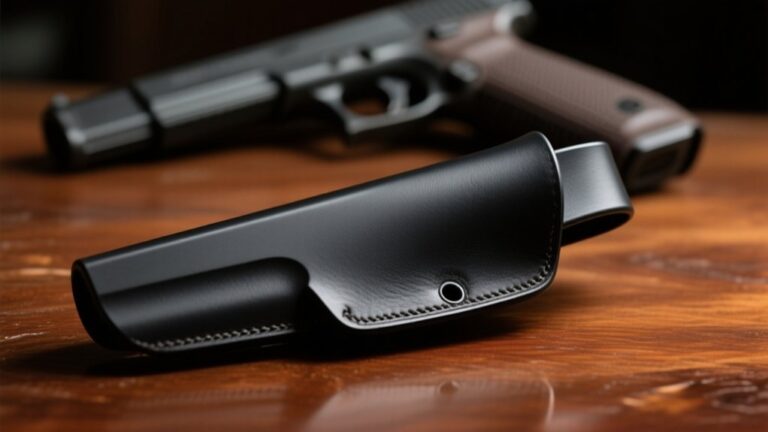
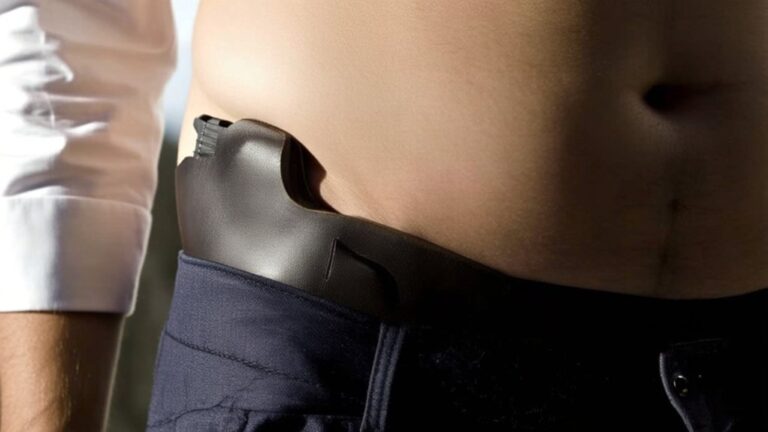
To wear a belly band holster in 10 easy steps, start by choosing one that fits snugly around your waist and suits your firearm. Pick clothes that conceal well, like breathable, loose tops and dark colors. Position the holster comfortably just below your rib cage, insert your firearm securely, and adjust the band to prevent slipping or discomfort. Add magazines if needed, test your movements, and practice drawing smoothly. Keep it clean and maintained for safety. You’ll find these tips help you carry with confidence and ease.
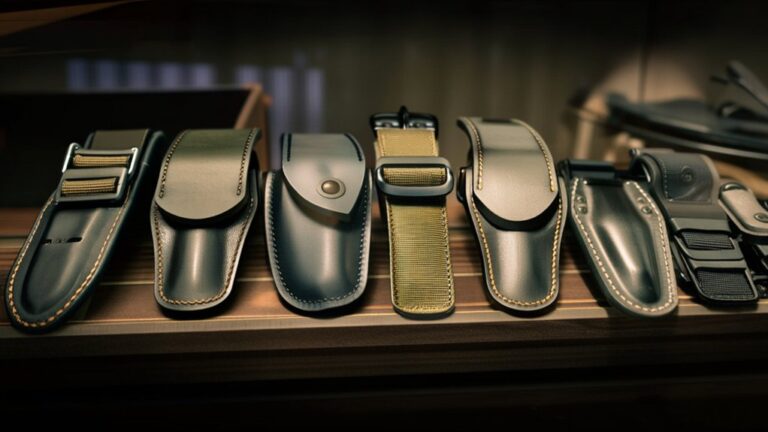
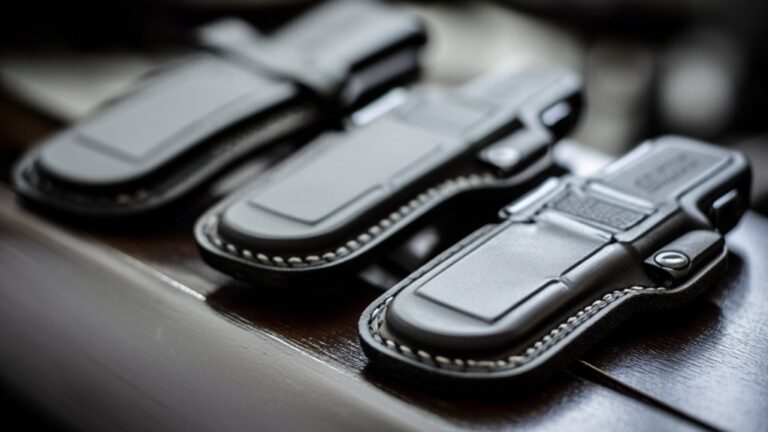
Choose the Right Belly Band Holster
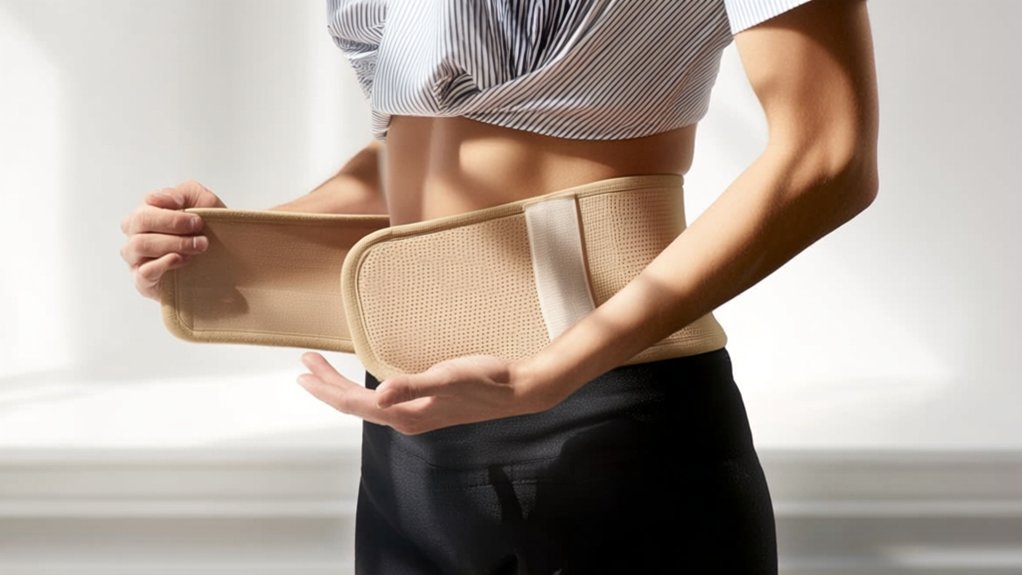
Before you can wear a belly band holster comfortably and securely, you need to choose the right one for your body and firearm. Start by measuring your waist to assure the band fits snugly without restricting movement.
Next, consider your firearm’s size and shape; the holster must accommodate it securely to prevent shifting or slipping.
Look for materials that offer breathability and flexibility, like neoprene or spandex blends, so you stay comfortable during extended wear.
Also, check if the holster provides adjustable retention to keep your gun firmly in place.
Finally, pick a design that suits your carry style—whether inside or outside the waistband—and verify it allows quick, easy access.
Choosing wisely sets the foundation for safe, comfortable carry every day.
Pick Clothes That Work With Your Belly Band Holster
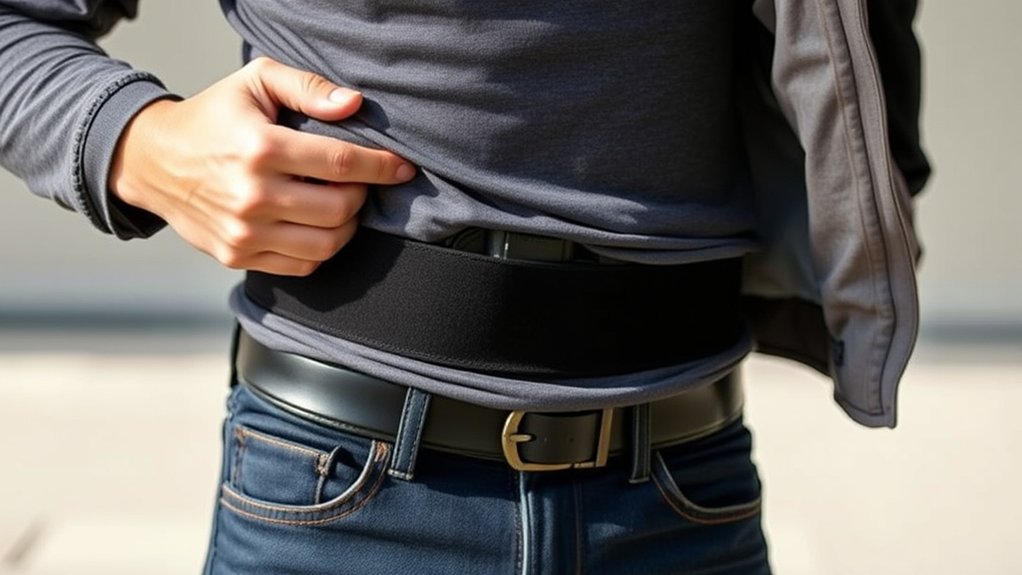
Once you’ve selected a belly band holster that fits well and holds your firearm securely, it’s important to choose clothing that complements it. Opt for stretchy, breathable fabrics like cotton or performance blends that won’t bunch or restrict movement.
Loose or layered tops work best—they help conceal the holster and prevent printing. Avoid tight or thin materials that reveal outlines or create discomfort.
High-waisted pants or skirts can tuck in your shirt smoothly, maintaining a clean look. Dark colors and patterns also help disguise the holster’s shape.
Position Your Belly Band Holster Correctly on Your Body
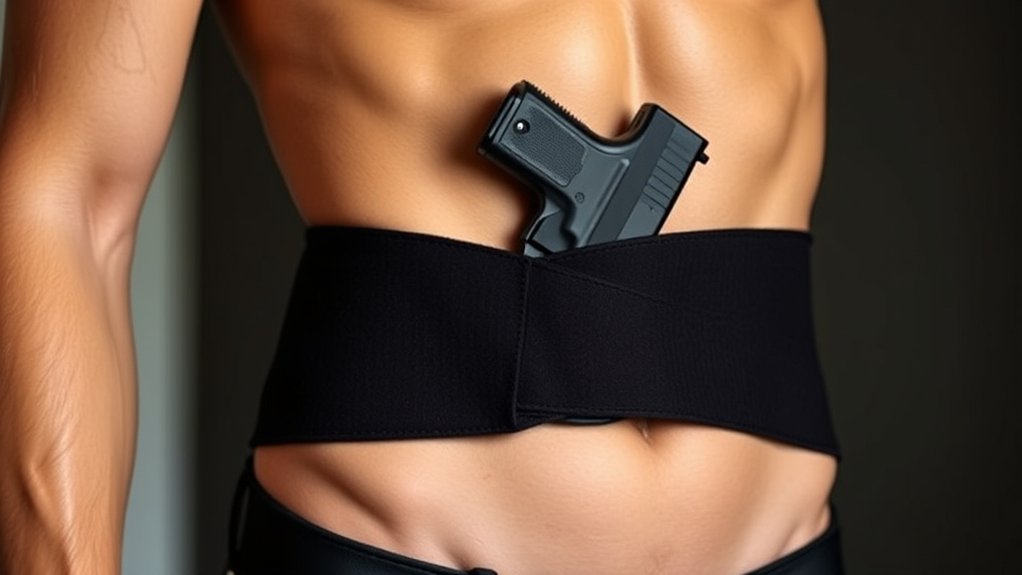
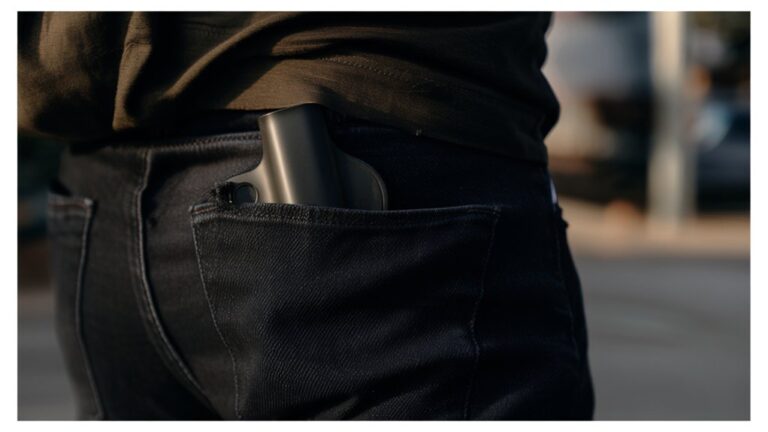
Although it might seem straightforward, positioning your belly band holster correctly is essential for both comfort and accessibility. You want it snug enough to stay put but not so tight that it restricts movement or breathing. The ideal spot usually lies around your waist or just below your rib cage, depending on your body shape and clothing choices.
Keep these points in mind when positioning your holster:
- Accessibility: Make certain you can draw quickly and naturally without awkward twisting.
- Comfort: Avoid areas that cause chafing or pressure points during daily activities.
- Concealment: Place it where your clothing naturally hides the holster without obvious bulges.
Taking time to find the right position makes wearing your belly band holster practical and comfortable.
Insert Your Firearm Safely Into Your Belly Band Holster
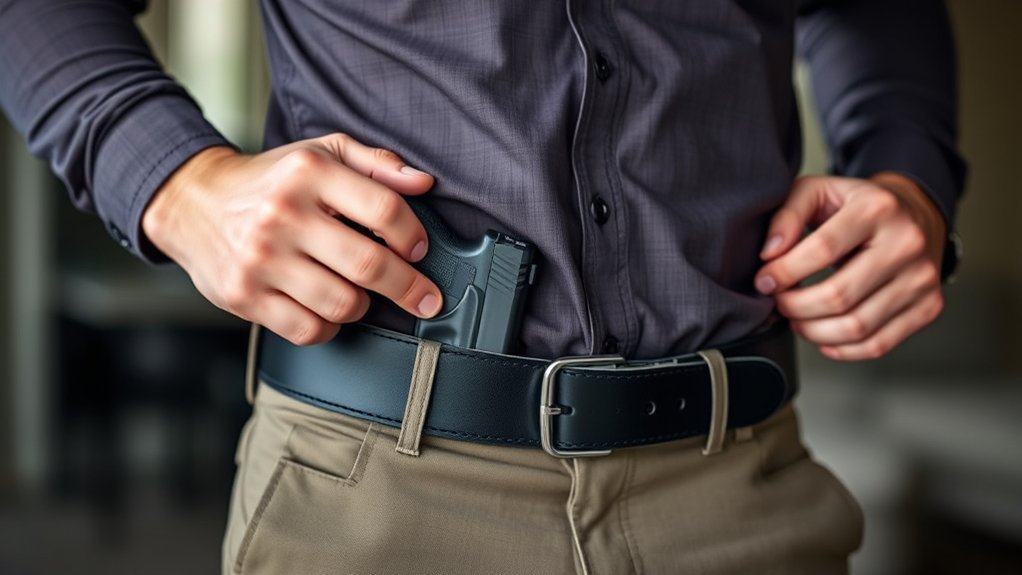
When you insert your firearm into the belly band holster, you need to guarantee it’s secure and properly oriented for a smooth draw. Start by holding your firearm firmly with the trigger finger indexed outside the trigger guard for safety.
Align the firearm’s grip so it faces upward or slightly angled, depending on your preference and holster design. Slowly slide the firearm into the holster pocket, ensuring it seats fully without forcing it.
Check that the trigger guard is fully covered to prevent accidental discharge. Confirm the firearm stays in place with a gentle tug.
Avoid rushing this step; a proper fit is crucial for both safety and quick access. Once inserted correctly, you’re ready to move on to adjusting the holster for comfort.
Adjust Your Belly Band Holster for Comfort and Stability
After securely inserting your firearm into the belly band holster, the next step is to modify the band for both comfort and stability. You want the band snug enough to hold your firearm firmly but not so tight that it restricts your movement or causes discomfort.
Start by positioning the band around your waist or torso and fastening it securely. Then, make small adjustments to ensure it stays in place without pinching your skin or causing pressure points.
Keep these tips in mind:
- Adjust the band evenly to prevent twisting or slipping during movement.
- Check for any areas where the band digs into your skin and loosen accordingly.
- Wear the holster for a few minutes to test comfort before finalizing the fit.
This balance keeps your firearm secure and your day comfortable.
Set Your Draw Angle for Easy Access
Since quick access to your firearm is essential, setting the correct draw angle on your belly band holster guarantees you can reach it smoothly and efficiently.
Start by positioning the holster where your natural hand rests—usually around your hip or waistline. Tilt the holster slightly forward or backward based on your dominant hand and comfort.
A common draw angle is between 15 to 30 degrees, allowing a natural, fluid motion when pulling your weapon. Test different angles by simulating a draw to find what feels fastest and most comfortable.
Add Magazines or Accessories to Your Belly Band Holster
Once you’ve locked in the perfect draw angle, you can enhance your setup by adding magazines or accessories to your belly band holster. This boosts your readiness and convenience, letting you carry extra gear securely and comfortably. Most belly bands come with extra pockets or attachment points designed for this purpose.
When adding magazines or accessories, guarantee they fit snugly and don’t disrupt your comfort or concealment.
Consider these additions to optimize your setup:
- Spare magazines for quick reloads
- Small multi-tools or flashlights for utility
- Medical supplies like tourniquets or bandages for emergencies
Test Your Movement to Make Sure the Holster Stays Put
Before you commit to wearing your belly band holster throughout the day, you need to test your movement to make certain it stays securely in place. Start by walking, bending, and twisting your torso as you normally would. Pay attention to any slipping or shifting of the band.
If it moves, adjust the tightness or reposition the holster until it feels snug but comfortable. Try sitting down and standing up to mimic daily activities, ensuring the holster doesn’t ride up or slide down.
Practice Drawing and Reholstering Smoothly
To build confidence with your belly band holster, focus on practicing smooth draws and reholstering. This muscle memory is key for quick, safe access when you need it most.
Start by drawing your firearm slowly to guarantee you clear the holster without snagging. Then, practice reholstering with deliberate care, maintaining control to avoid accidental discharge.
Here are three tips to improve your technique:
- Consistent Practice: Regularly rehearse draws and reholstering to build fluidity.
- Focus on Safety: Always keep your finger off the trigger until ready to fire.
- Simulate Real Conditions: Practice while wearing your holster under clothing to mimic real scenarios.
With steady effort, you’ll gain confidence and speed, making your belly band holster a reliable part of your everyday carry.
Clean and Maintain Your Belly Band Holster Regularly
Although belly band holsters are designed for durability, you should clean and maintain yours regularly to guarantee it stays comfortable and functional. Start by removing your firearm and any accessories.
Hand wash the holster with mild soap and warm water, avoiding harsh chemicals that could damage the fabric or elastic. Rinse thoroughly and let it air dry completely before wearing it again.
Inspect the band for signs of wear, such as stretched elastic or frayed stitching, and replace it if necessary.
Regular cleaning prevents odor buildup and skin irritation, ensuring a secure fit. By maintaining your belly band holster properly, you’ll extend its lifespan and keep your carry experience comfortable every day.
Don’t skip this step—it’s essential for safe, reliable use.
Frequently Asked Questions
Can a Belly Band Holster Be Worn While Sleeping?
You can wear a belly band holster while sleeping, but it might feel uncomfortable or restrict movement. If you choose to wear it overnight, make sure it’s secure and not too tight to avoid any irritation or circulation issues.
Are Belly Band Holsters Legal in All States?
No, belly band holsters aren’t legal in all states. You’ll need to check your local laws because some states restrict or regulate concealed carry methods. Always verify your area’s regulations before carrying one.
How Do You Prevent Skin Irritation From a Belly Band Holster?
Think of your skin as a delicate flower—keep it happy by wearing a moisture-wicking undershirt, adjusting the band snugly but not tight, and cleaning both your skin and holster regularly to prevent irritation and chafing.
Can Belly Band Holsters Accommodate Different Firearm Sizes?
Yes, belly band holsters can accommodate different firearm sizes. You’ll find many are adjustable and stretchy, allowing you to carry compact to mid-sized guns comfortably. Just make sure to choose one designed for your specific firearm type.
What Are the Best Materials for a Breathable Belly Band Holster?
You want breathable, stretchy, and moisture-wicking materials. Look for neoprene, spandex blends, and mesh fabrics. They’ll keep you comfortable, dry, and flexible, letting you move freely while securely holding your firearm in place.
Conclusion
Wearing a belly band holster properly takes a bit of practice, but once you get it right, it feels like second nature. Remember, “measure twice, cut once”—taking the time to choose the right holster, position it correctly, and practice your draw guarantees safety and comfort. Keep adjusting and maintaining your setup regularly, and you’ll carry confidently every day. With these steps, you’re well on your way to mastering your belly band holster.