What Is an OWB Holster and How to Use It
An OWB (Outside Waistband) holster sits outside your pants for quick, comfortable access to your firearm. You secure it to your belt, usually molded to fit your specific gun, ensuring safe retention and easy drawing. It’s great for activities like driving or range sessions where comfort and accessibility matter most. OWB holsters come in various styles, offering different retention and carry angles to match your needs. Keep exploring, and you’ll find tips on fit, maintenance, and choosing the right holster.
What OWB Holster Means and Why It Matters
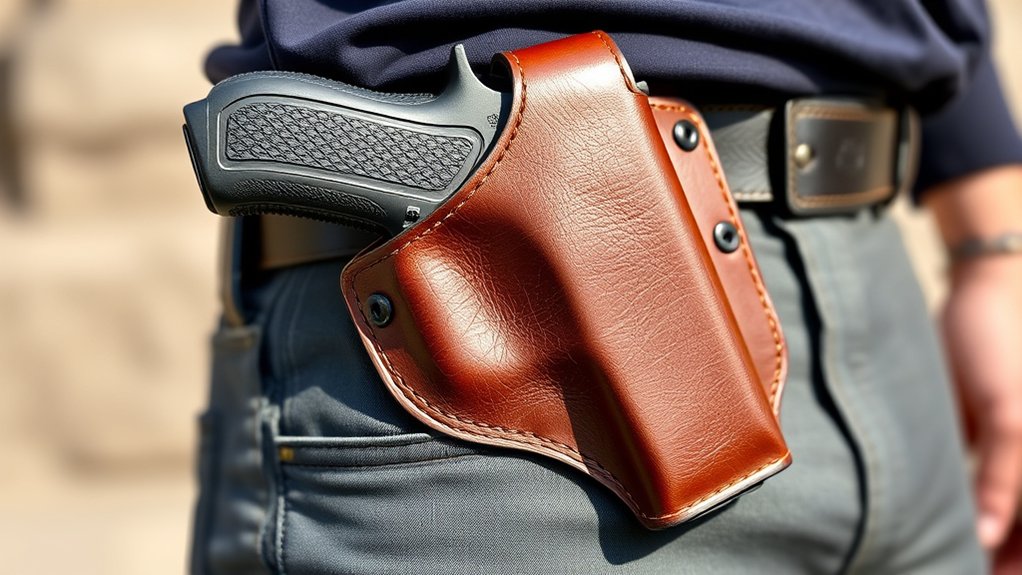
Although you might’ve heard the term before, an OWB holster stands for “Outside Waistband” holster, meaning it sits on the outside of your pants rather than inside. This design offers quick access because your firearm is more visible and easier to reach.
You’ll notice OWB holsters typically provide better comfort during long wear, especially if you’re sitting or driving. Since it attaches externally, it’s simpler to adjust and remove, making maintenance hassle-free.
The way it positions your weapon affects how you carry, draw, and secure it, so understanding what OWB means helps you choose the right gear. Knowing why it matters guarantees you pick a holster that balances accessibility, comfort, and safety for your needs.
When Is an OWB Holster Best for You?
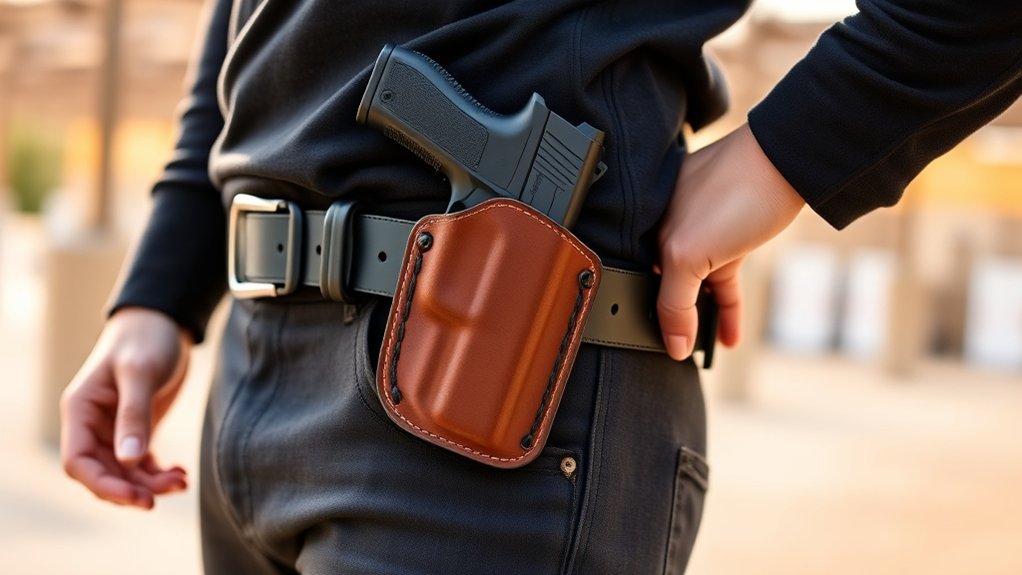
If you prioritize quick access and comfort during activities like driving or walking, an OWB holster could be the right fit for you. It’s ideal when you’re wearing clothes that allow the holster to sit comfortably outside your waistband without printing or restricting movement.
You’ll appreciate it during range sessions, casual outings, or any time you want fast, reliable access to your firearm. An OWB holster works well if you value ease of use over maximum concealment, as it offers better draw speed and retention compared to many inside-the-waistband options.
However, it’s best suited for environments where concealment isn’t your top priority or where you can wear a cover garment, like a jacket or untucked shirt, to keep your firearm discreet.
How OWB Holsters Work
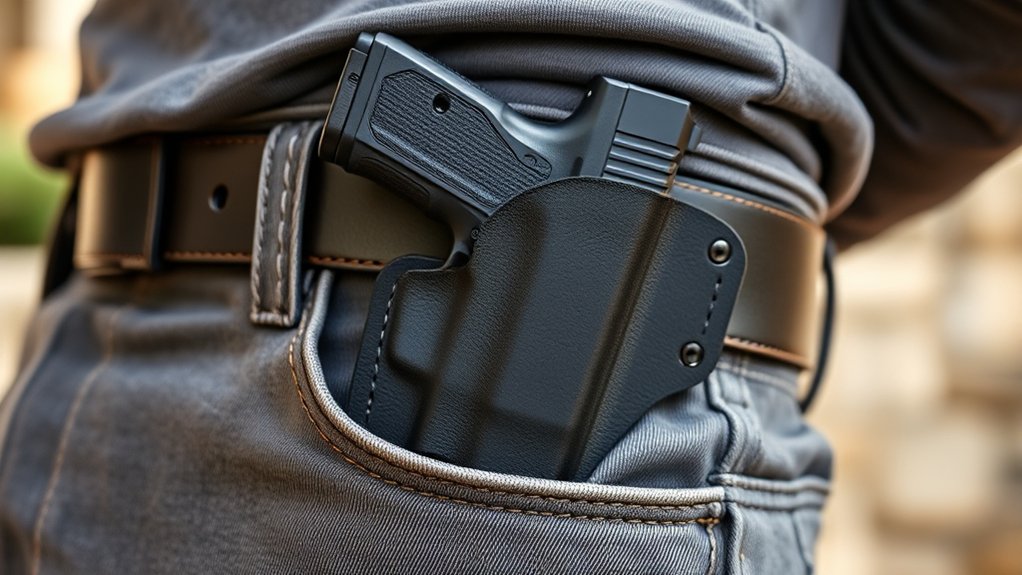
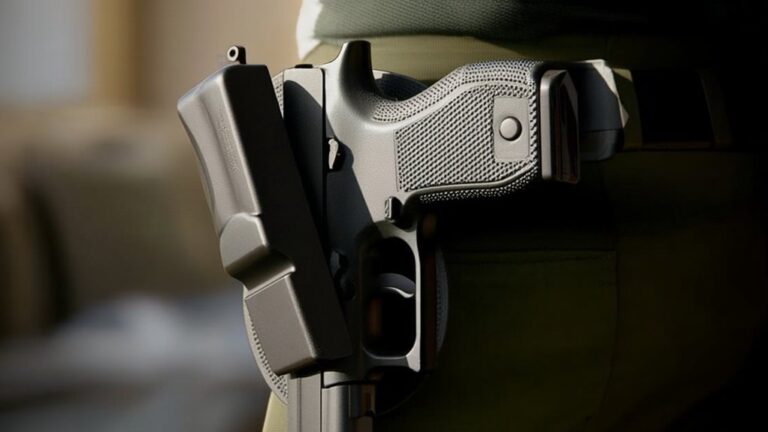
Because an OWB holster sits outside your waistband, it offers straightforward accessibility and comfort. When you wear one, your firearm rests securely on your hip, making it easy to draw quickly when needed.
The holster’s design usually includes a sturdy clip or loop that attaches firmly to your belt, preventing unwanted movement. As you move, the holster stays in place, so you can count on consistent positioning.
Most OWB holsters are molded to fit specific gun models, ensuring a snug fit that holds your firearm safely without excessive retention. This means you can draw confidently without worrying about the gun slipping out.
Advantages of Using an OWB Holster for Everyday Carry
When you carry a firearm daily, an OWB holster offers unmatched accessibility and comfort. You’ll find it easier to draw quickly because the holster sits outside your waistband, giving you more space and less restriction.
This placement also lets you carry larger firearms comfortably without feeling cramped. OWB holsters typically provide better ventilation, reducing sweat and discomfort during extended wear.
Because they’re easier to adjust, you can position your firearm exactly where it feels most natural, improving your carry experience. Plus, OWB holsters often secure your weapon firmly, minimizing movement and noise.
Common Types of OWB Holsters and Their Features
Although OWB holsters share the common feature of sitting outside the waistband, they come in various styles designed to suit different preferences and needs. You’ll find paddle holsters, which offer quick on-and-off convenience with a wide paddle that tucks inside your pants for stability.
Belt slide holsters attach directly to your belt, providing a secure and stable carry, ideal if you’re active. Then, there are duty holsters, often used by law enforcement, featuring retention systems to prevent accidental draws.
Some OWB holsters come with adjustable cant, allowing you to customize the angle for faster access. Each type balances ease of draw, security, and comfort differently, so consider how you’ll carry and what activities you’ll do when choosing the right OWB holster style for you.
Best Materials for OWB Holsters
Choosing the right OWB holster style is only part of the equation; the material it’s made from plays a big role in comfort, durability, and draw speed.
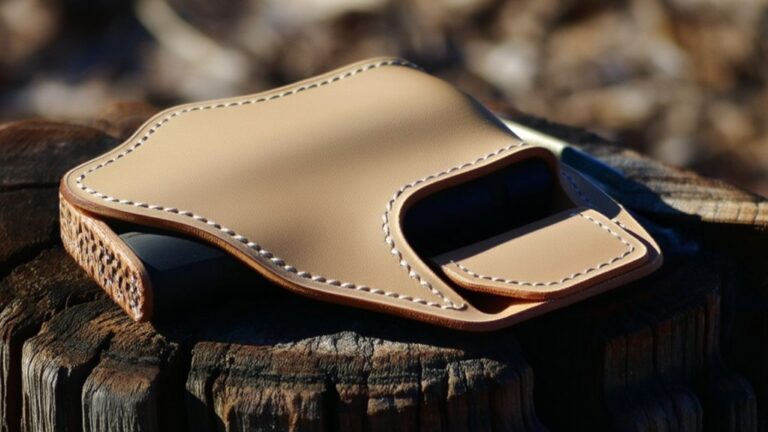
Leather offers a classic look and molds to your gun over time, providing a custom fit. It’s comfortable but can absorb moisture, requiring maintenance.
Kydex is a popular synthetic option that’s rigid, lightweight, and resistant to sweat and weather. It guarantees a smooth, quick draw with excellent retention.
Nylon holsters are affordable and flexible, but they may lack the durability and precise fit of leather or Kydex.
When selecting your OWB holster, consider how the material affects wear, grip, and ease of access, so you get a holster that feels right and performs reliably every time you draw.
How to Choose the Right OWB Holster for Your Gun
Because every firearm has unique dimensions and features, you’ll want an OWB holster that fits your specific gun model perfectly. Start by checking if the holster is molded specifically for your gun or if it offers adjustable retention to secure different models safely.
Consider the holster’s material—leather, Kydex, or hybrid—as each affects comfort and durability differently. Think about your carry preference: Do you need a holster for everyday use, tactical scenarios, or competition?
Also, pay attention to the holster’s retention system to guarantee your gun stays put during movement but still draws smoothly. Finally, check reviews or try the holster in person if possible.
Choosing the right OWB holster means balancing fit, comfort, and your intended use for safe, reliable carry.
How to Attach Your OWB Holster to Your Belt
Once you have the right OWB holster that fits your gun and suits your needs, the next step is securing it to your belt properly.
First, slide your belt through the holster’s belt loops or clips, making sure the holster sits firmly without excessive movement.
If your holster uses clips, attach them securely over the belt, checking that they snap or lock in place.
For loop-style holsters, thread your belt fully through each loop to ensure stability.
After attaching, wear your belt and adjust the holster’s position to confirm it feels comfortable and doesn’t shift when you move.
A snug fit is key—it keeps the holster from flapping or shifting, guaranteeing quick access and reliable retention during use.
Ideal OWB Holster Carry Positions and How to Find Yours
Where you carry your OWB holster can make all the difference in comfort, accessibility, and concealment. To find your ideal position, consider these common spots:
- 3 o’clock (Strong Side Hip) – Offers quick access and is most natural for right-handed shooters.
- 4–5 o’clock (Behind the Hip) – Slightly more concealed and comfortable when sitting.
- 12 o’clock (Small of Back) – Good for concealment but less accessible and may be uncomfortable sitting.
- 9 o’clock (Off Side) – Less accessible but can be useful for certain carry styles or left-handed users.
Try each position during daily activities to see what feels best. Comfort and quick access should guide your choice, balancing concealment and practicality.
How to Draw and Reholster Safely With an OWB Holster
Although drawing and reholstering an OWB holster might seem straightforward, mastering safe techniques is crucial to prevent accidents and guarantee smooth handling. Start by keeping your finger off the trigger until the gun is fully drawn and aimed.
When drawing, grip the firearm firmly, pull it straight up, and clear the holster smoothly without forcing. Maintain control and awareness of your surroundings at all times.
When reholstering, never look down at the holster; instead, use your support hand to guide the firearm safely back in. Keep your finger indexed outside the trigger guard until the gun is fully seated.
Apply consistent pressure to ensure it locks in place securely. Practicing these steps regularly builds muscle memory and ensures safety during every draw and reholster.
Tips to Adjust OWB Holster Fit and Comfort
Because a proper fit directly affects both comfort and accessibility, adjusting your OWB holster is essential for effective carry. Start by positioning the holster at an angle that feels natural—usually between 15 to 25 degrees—for quicker draws.
Next, verify the retention screw is tight enough to hold your firearm securely but loose enough for a smooth draw.
Third, adjust the height so your gun sits comfortably on your hip without interfering with your belt or clothing.
Finally, check the belt loops or clips to make sure they firmly grip your belt, preventing unwanted movement throughout the day.
How to Maintain and Clean Your OWB Holster
Maintaining and cleaning your OWB holster guarantees it stays reliable and comfortable for daily use. Start by wiping down your holster regularly with a damp cloth to remove dirt, sweat, and debris.
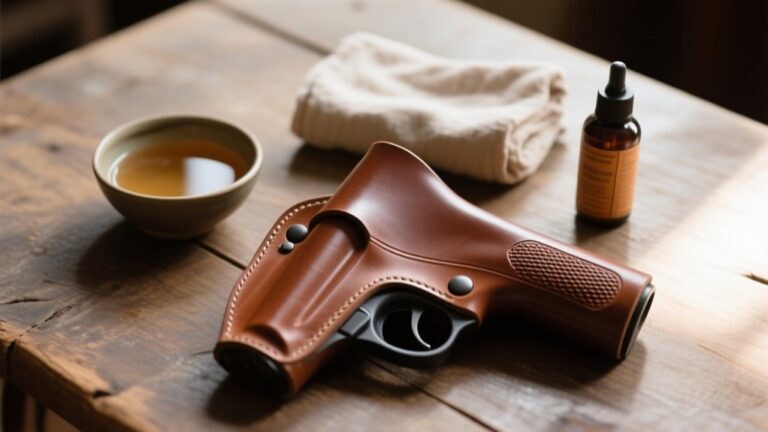
For leather holsters, use a leather cleaner or saddle soap sparingly to avoid drying out the material. Follow up with a leather conditioner to keep it supple and prevent cracking.
If your holster is made of Kydex or synthetic materials, mild soap and water work well—avoid harsh chemicals that can degrade the plastic.
Always allow your holster to air dry completely before storing or wearing it again.
Regular maintenance not only extends your holster’s lifespan but also assures smooth firearm retention and quick draws when you need them most.
Avoid These Common OWB Holster Mistakes
Keeping your OWB holster clean and well-maintained sets you up for reliable use, but even then, mistakes can still happen that impact your experience. Avoid these common pitfalls to get the most from your holster:
- Wearing it too loose or tight – A loose holster can cause your firearm to shift, while a tight one makes drawing difficult.
- Ignoring retention adjustment – Don’t skip setting the right retention; it ensures security without sacrificing quick access.
- Neglecting proper belt support – Use a sturdy belt designed for holsters to prevent sagging and discomfort.
- Forgetting to practice drawing – Regular practice helps you draw smoothly and safely, avoiding fumbling in critical moments.
Stay mindful of these mistakes to enhance safety and comfort with your OWB holster.
OWB vs. IWB Holsters: Which One Is Right for You?
When choosing between OWB (Outside the Waistband) and IWB (Inside the Waistband) holsters, you’ll want to think about factors like comfort, concealment, and accessibility.
OWB holsters sit outside your pants, making them more comfortable and easier to access, especially when seated or moving. However, they’re less discreet and may print under lighter clothing.
IWB holsters tuck inside your waistband, offering better concealment but sometimes sacrificing comfort, especially during extended wear. They keep your firearm closer to your body, reducing printing but can feel restrictive.
Consider your daily activities and clothing style—if you prioritize quick access and comfort, OWB might be best. If concealment is your main concern, IWB could serve you better.
Ultimately, your lifestyle dictates which holster suits you.
Frequently Asked Questions
Can OWB Holsters Be Used for Tactical Training Exercises?
Yes, you can use OWB holsters for tactical training exercises. They offer quick access and secure retention, helping you practice realistic draw techniques and weapon handling effectively in dynamic scenarios. Just make certain proper fit and comfort.
Are OWB Holsters Compatible With All Handgun Models?
You can’t just slap any handgun into an OWB holster and call it a day. While many fit, you’ll need to check your model’s compatibility carefully to guarantee a secure, comfortable, and reliable carry every time.
Do OWB Holsters Affect Firearm Accuracy or Performance?
No, OWB holsters don’t affect your firearm’s accuracy or performance. They simply hold your gun securely outside your waistband, so your shooting remains consistent as long as you maintain proper grip and stance during use.
Can Accessories Be Attached to an OWB Holster?
Yes, you can attach accessories to an OWB holster. Many models let you add magazine pouches, lights, or retention systems, enhancing functionality and convenience while you carry. Just make sure they fit securely and don’t interfere with draw.
How Do Weather Conditions Impact OWB Holster Durability?
Weather conditions can batter your OWB holster like a hurricane. Moisture weakens leather, and extreme heat warps materials. You’ll want to regularly clean and condition it to keep durability strong, no matter what nature throws at you.
Conclusion
Choosing the right OWB holster is like finding the perfect dance partner—it moves with you, offering comfort and quick access. Whether you’re stepping into everyday routines or high-stakes moments, this holster keeps your sidearm secure and ready. With proper fit, care, and awareness, your OWB holster becomes a trusted extension of your gear, blending safety and ease like shadows hugging your every move. Make it work for you, not against you.