What Holsters Does the Military Use in 2027?
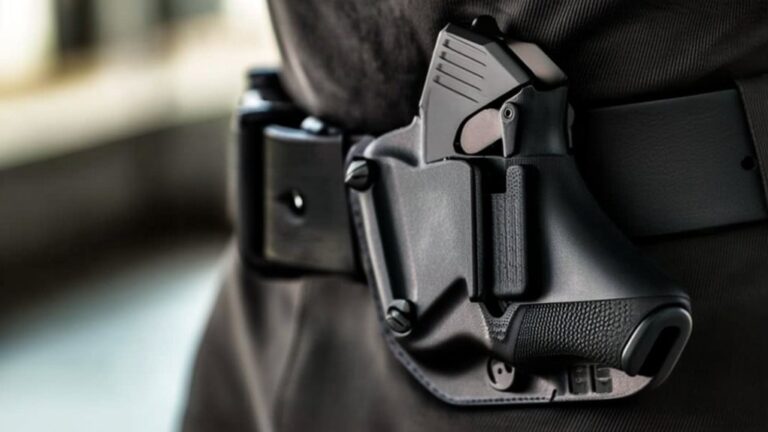
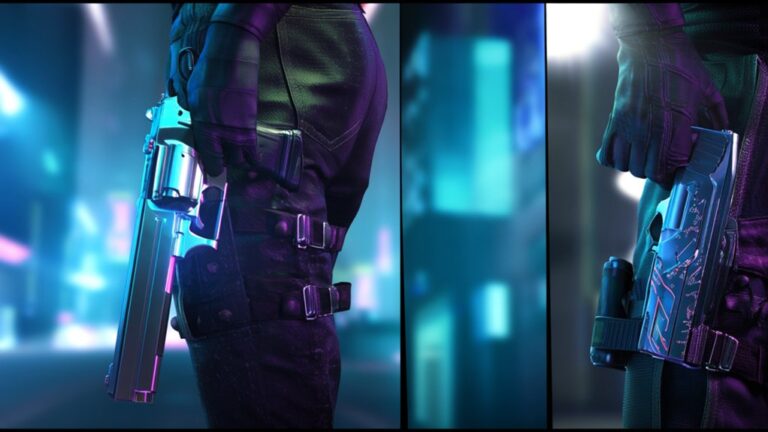
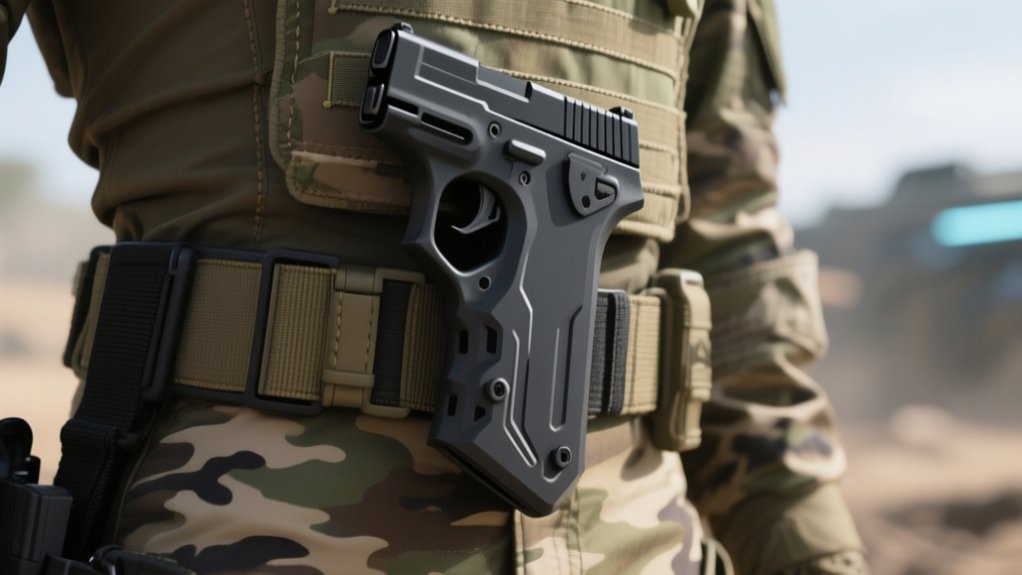
In 2027, military holsters are designed to give you rapid weapon access while keeping your sidearm secure and comfortable. They use advanced materials like carbon fiber blends and reinforced polymers for durability and lightweight strength. Smart features, including biometric locks and status sensors, prevent unauthorized use and track readiness. These holsters integrate seamlessly with your gear and adapt to mission demands. Keep exploring to discover how these innovations boost your efficiency and safety in the field.
Evolution of Military Holsters: Meeting 2027 Needs
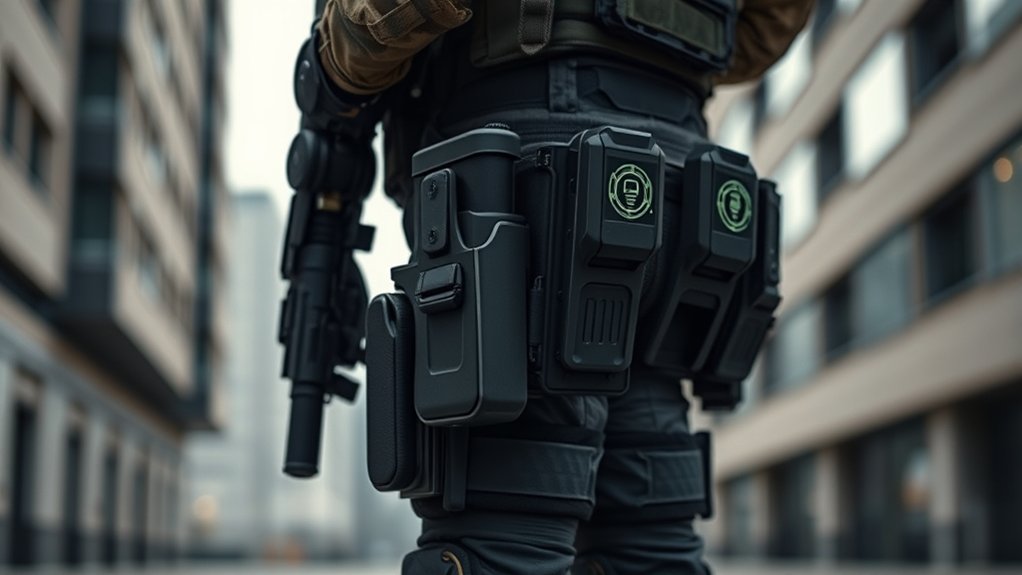
Although military holsters have long prioritized durability and security, their evolution by 2027 focuses on adaptability and smart technology integration. You’ll notice holsters now adjust seamlessly to different weapon sizes, letting you switch gear without hassle.
They use advanced materials that resist extreme weather and wear while staying lightweight for your comfort. You’ll also find embedded sensors tracking your weapon’s status—alerting you if it’s drawn or misplaced. This tech helps maintain readiness and enhances safety during operations.
The design’s become more ergonomic, reducing fatigue during long missions. By combining these features, military holsters in 2027 ensure you’re equipped for a variety of scenarios, keeping your weapon accessible, protected, and connected to your tactical system without compromising mobility or speed.
Essential Features of Modern Military Holsters
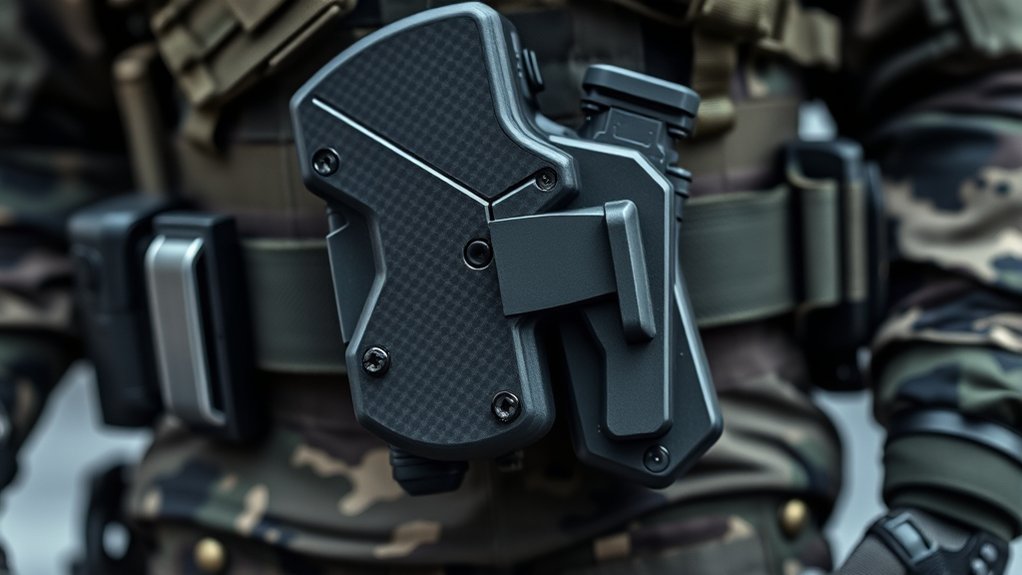
When you rely on a holster in critical situations, it must combine reliability, quick access, and durability without adding bulk. You need a holster that keeps your weapon secure yet ready to deploy instantly.
Here are four essential features to look for:
- Retention Mechanism: Guarantees your firearm stays put during intense movement but releases smoothly when needed.
- Ergonomic Design: Fits comfortably on your body, allowing natural movement without causing discomfort.
- Weather Resistance: Protects your weapon against harsh environments like rain, dust, and extreme temperatures.
- Modularity: Lets you adjust mounting options and carry positions to suit different missions and gear setups.
These features ensure your holster performs reliably in the demanding conditions military personnel face daily.
Advanced Materials Used in Military Holsters
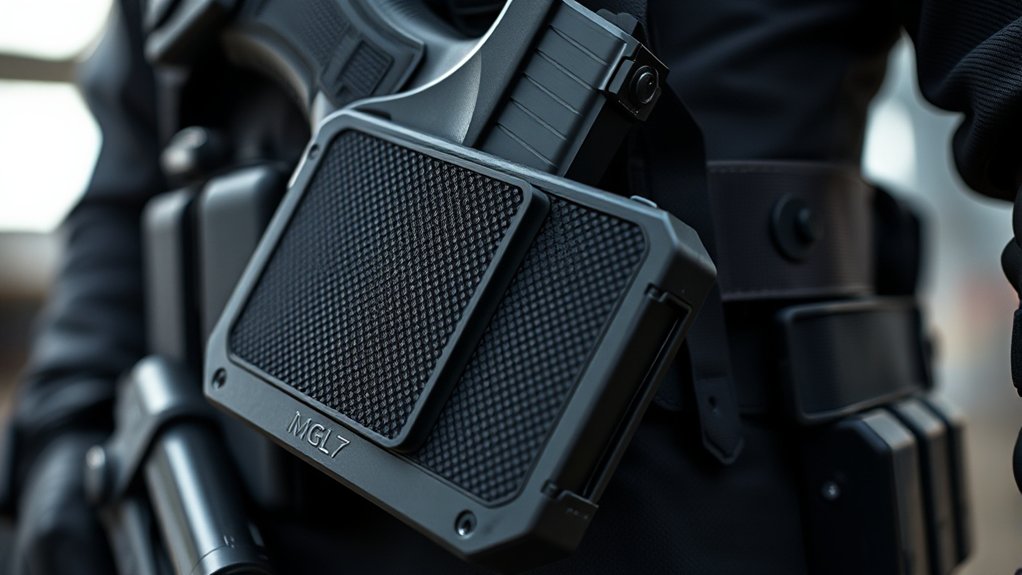
Since your holster needs to perform flawlessly in tough conditions, the materials it’s made from play a crucial role. In 2027, military holsters use cutting-edge composites like carbon fiber blends and reinforced polymers to deliver unmatched strength without extra weight.
These materials resist abrasion, moisture, and extreme temperatures, ensuring your gear stays reliable in any environment. You’ll also find advanced coatings that reduce friction, making drawing and reholstering smoother and quicker.
Some holsters incorporate lightweight metal alloys in key stress points for added durability without sacrificing flexibility. By combining these materials, your holster maintains a perfect balance of toughness, comfort, and longevity, so you can focus on your mission without worrying about gear failure.
Modular Holster Designs That Boost Soldier Efficiency
As battlefield demands evolve, modular holster designs give you the flexibility to customize your gear for every mission. These holsters adapt quickly, ensuring you carry what you need without unnecessary bulk or weight. You’ll appreciate how easy it’s to reconfigure them based on your role or environment.
Here’s how modular holsters boost your efficiency:
- Quick attachment options let you switch between belts, vests, or packs effortlessly.
- Adjustable retention systems secure your weapon while allowing rapid draws.
- Interchangeable accessories like mag pouches or tool holders keep essential gear close.
- Lightweight construction reduces fatigue during long operations.
With these features, you stay mission-ready, agile, and fully equipped—no matter the challenges ahead.
Smart Technology Innovations in Military Holsters
Modular holsters set the stage for smarter gear by offering a flexible platform that integrates advanced technology seamlessly. You’ll find holsters equipped with sensors that monitor weapon status, alerting you if your firearm is holstered or drawn.
Some models include connectivity features, syncing with your helmet display or command systems to keep you informed in real time. These smart holsters also feature adaptive retention mechanisms that adjust tension automatically, enhancing both speed and safety during critical moments.
Additionally, vibration alerts notify you of environmental threats or mission updates discreetly through the holster. By adopting these innovations, you gain a tactical edge that goes beyond traditional carrying methods, ensuring your weapon is always ready and your situational awareness is heightened without extra effort.
How Biometric Security Protects Military Holsters
Biometric security has revolutionized how military holsters protect your weapon by ensuring only authorized personnel can access it. This technology uses unique physical traits like fingerprints or palm veins to unlock the holster, preventing unauthorized use. Here’s how it safeguards your firearm:
- Instant Authentication: You gain immediate access with a quick biometric scan, saving precious seconds.
- Prevents Theft: The holster locks automatically if someone else tries to open it.
- Audit Trails: It records every access attempt, so you can review who tried to use the weapon.
- Tamper Alerts: If someone tampers with the holster, it triggers an alarm or notifies command.
With biometric security, your military holster stays secure, accessible only to you when duty calls.
Military Holsters Designed for Different Roles
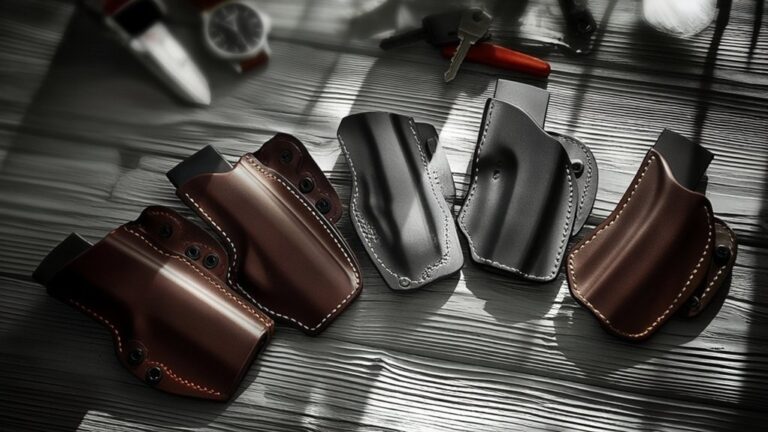
Because every mission demands different needs, military holsters come tailored to fit specific roles. When you’re a frontline soldier, you need a holster that offers quick access and secure retention in intense combat. These holsters often feature adjustable straps and durable materials to withstand harsh conditions.
If you’re in a support role, your holster might prioritize comfort during long periods of wear, with designs that reduce pressure points.
Special forces operators often use modular holsters that can be customized with attachments like flashlight holders or extra magazine pouches.
Even vehicle crews use holsters designed to stay secure in tight spaces.
Understanding how holsters adapt to your role guarantees you get the right balance of accessibility, protection, and comfort every time you carry your weapon.
Tactical vs. Duty Military Holsters: Key Differences
While both tactical and duty holsters serve the essential purpose of securely holding your sidearm, they differ considerably in design and functionality. Understanding these differences helps you choose the right holster for your mission needs.
- Purpose: Duty holsters are designed for everyday law enforcement or military base use, focusing on secure retention. Tactical holsters prioritize versatility for combat scenarios.
- Material: Duty holsters often use rigid polymers for durability and retention. Tactical holsters incorporate lightweight, flexible materials for mobility.
- Attachment: Duty holsters typically attach to belts, while tactical versions offer multiple mounting options like MOLLE or thigh rigs.
- Features: Tactical holsters include adjustable retention, modularity, and compatibility with accessories. Duty holsters emphasize simplicity and quick draw under controlled conditions.
Choosing between them depends on your operational environment and specific tactical demands.
Rapid Access Mechanisms for Combat Readiness
Understanding the differences between tactical and duty holsters sets the stage for exploring how quickly you can access your weapon when every second counts.
In 2027, rapid access mechanisms have evolved to prioritize speed without sacrificing security. You’ll find retention systems using magnetic locks or pressure-activated triggers that let you draw instantly but prevent accidental release.
Some holsters feature adjustable tension settings, so you tailor the draw resistance to your preference and mission needs.
Quick-detach mounts allow you to reposition or remove your holster swiftly if the situation demands.
These innovations ensure you can react faster under stress, improving your combat readiness.
How Military Holsters Integrate With Soldier Gear
Military holsters in 2027 seamlessly integrate with soldier gear to enhance mobility and efficiency on the battlefield. You’ll find these holsters designed to work with your tactical vest, load-bearing equipment, and communication devices without hindering movement.
They’re lightweight yet durable, guaranteeing your sidearm stays secure and accessible. Here’s how they mesh with your gear:
- Modular attachment systems let you position holsters for quick draws tailored to your dominant hand.
- Compatibility with MOLLE webbing allows easy swapping between different mission setups.
- Built-in retention tech prevents accidental drops during intense maneuvers.
- Integration with body armor ensures the holster doesn’t interfere with protective plates or add bulk.
This seamless fusion keeps you ready and agile in dynamic combat environments.
Emerging Trends Driving the Future of Military Holsters
As new technologies emerge and battlefield demands evolve, you’ll see military holsters becoming smarter, more adaptable, and better suited to future combat scenarios.
You’ll notice advanced materials that offer lightweight durability and enhanced resistance to extreme conditions. Modular designs will let you quickly customize holsters for different weapons and mission needs.
Integration with smart tech will allow holsters to communicate with your gear, tracking weapon status and readiness in real time.
You’ll also benefit from improved retention systems that balance security with rapid access, essential in high-stress situations.
Ergonomic improvements will focus on comfort and minimizing movement restrictions, ensuring you stay agile.
Ultimately, these trends will empower you with holsters that keep pace with the evolving demands of modern warfare, enhancing both safety and performance.
Frequently Asked Questions
How Much Do Military Holsters Typically Weigh?
Military holsters typically weigh between 0.5 to 1.5 pounds. You’ll find they’re designed to balance durability and comfort, so you won’t feel weighed down during missions or training exercises while keeping your weapon secure and accessible.
Are Military Holsters Compatible With Civilian Firearms?
Picture your firearm snug in a holster designed for another—military holsters often fit civilian guns, but not always perfectly. You’ll want to check compatibility to avoid a loose fit or difficulty drawing in essential moments.
What Maintenance Is Required for Military Holsters?
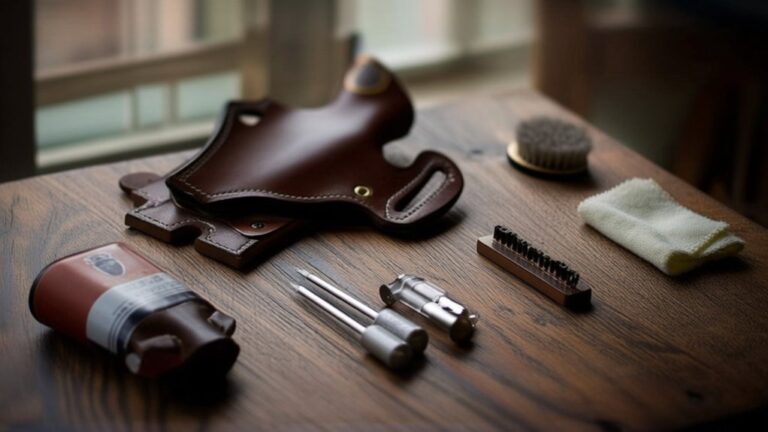
You’ll need to regularly clean your military holster to remove dirt and sweat, check for wear or damage, and apply leather conditioner if it’s leather. Keep fasteners tight and guarantee the retention system works properly for safety.
Can Military Holsters Be Customized With Unit Insignia?
Like a badge on a uniform, you can customize military holsters with unit insignia. You’ll find options that let you proudly display your unit’s emblem, boosting identity while keeping functionality sharp and reliable.
Do Military Holsters Come With Warranty or Replacement Policies?
Yes, military holsters often come with warranties or replacement policies. You can usually rely on the manufacturer or supply chain to cover defects or damage, ensuring your gear stays functional and mission-ready without extra hassle.
Conclusion
Imagine your holster as the ultimate wingman, always ready and adaptive. In 2027, military holsters aren’t just gear—they’re smart, modular partners designed to keep you swift and secure. Just like a seasoned teammate anticipating your move, these holsters blend advanced materials and rapid-access tech, boosting your efficiency under pressure. As you gear up, remember: the right holster isn’t just about carrying a weapon—it’s about carrying confidence into every mission.