What Is a Paddle Holster and How to Use It
A paddle holster lets you carry your firearm securely and access it quickly without needing a belt, as it slips inside your waistband with a paddle-shaped backing. It fits snugly against your body, distributing weight for comfort and stability. To use it properly, make sure it’s tight, practice safe drawing and reholstering, and regularly check for wear. If you want to master its use and benefits, there’s plenty more to explore about this versatile carry option.
Why Choose a Paddle Holster for Concealed Carry?
When you need a reliable and convenient way to carry your firearm, a paddle holster makes an excellent choice. It lets you quickly attach and detach the holster without messing with belts or loops, saving you time and hassle.
You’ll appreciate the comfort, too, since the wide paddle distributes weight evenly, reducing pressure points during extended wear.
Plus, paddle holsters offer great retention, keeping your gun secure while allowing a smooth, quick draw.
If you switch between different outfits or need to adjust your carry position, this holster adapts easily without complicated adjustments.
What Is a Paddle Holster and How Does It Work?
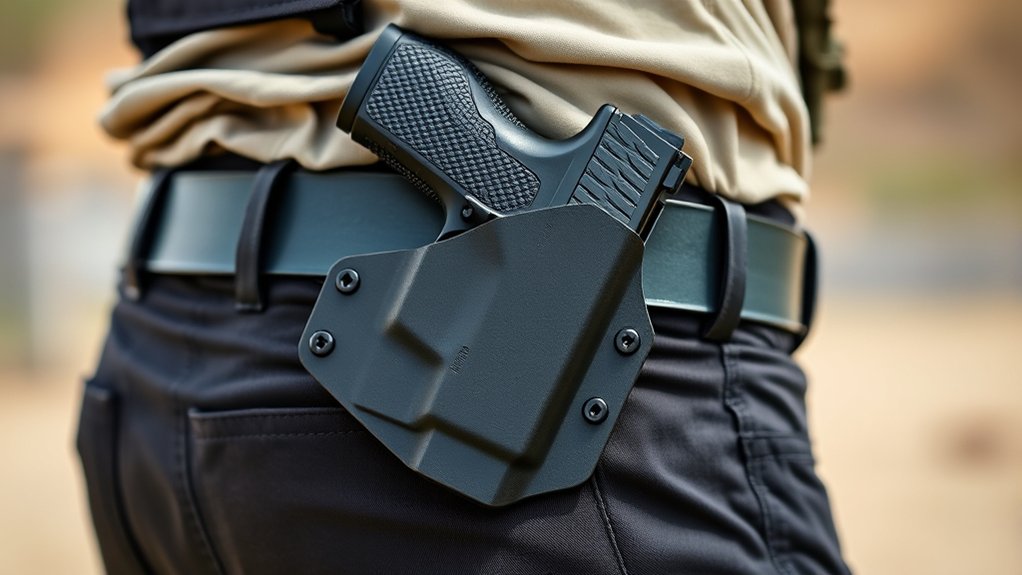
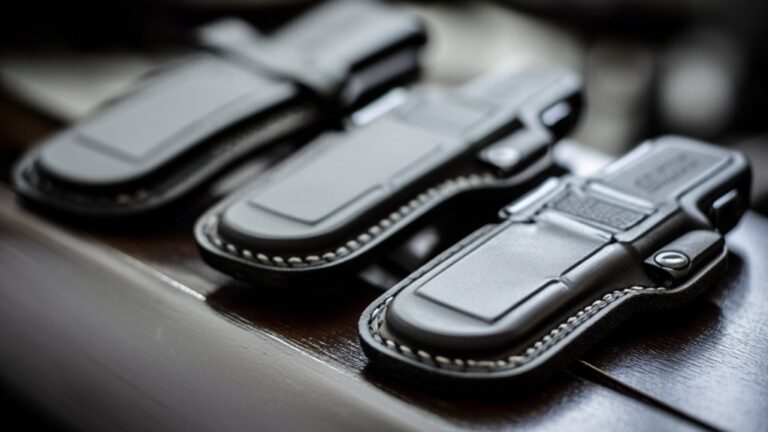
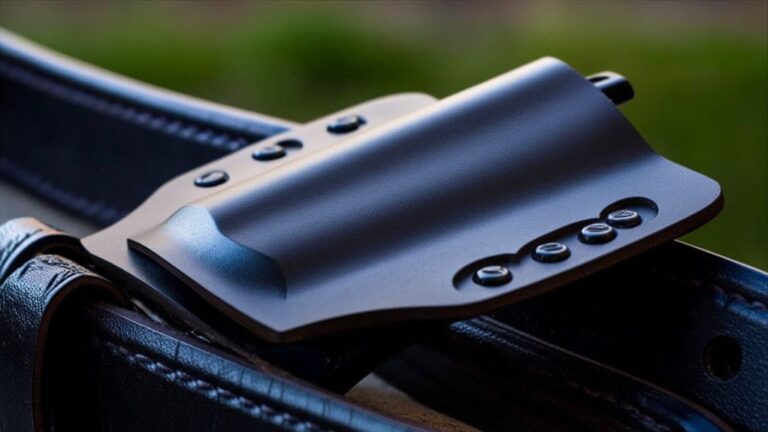
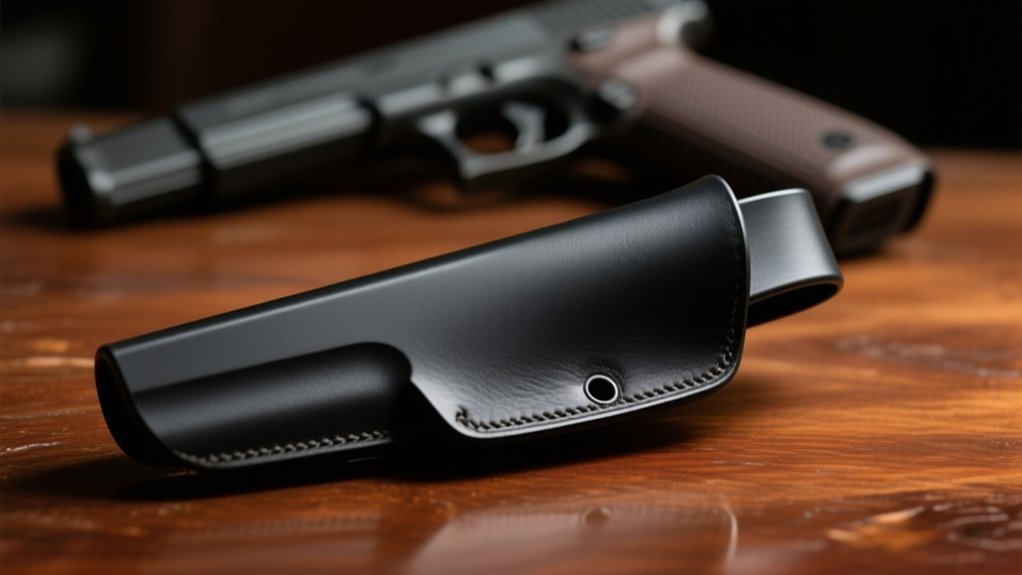
A paddle holster stands out for its unique design that combines ease of use with secure carry. It features a flat, paddle-shaped piece that slips inside your waistband, held firmly by friction without needing a belt. This allows you to quickly attach or remove the holster without hassle.
Here’s how it works for you:
- The paddle anchors the holster securely against your body
- It keeps your firearm accessible and stable during movement
- You simply slide the paddle inside your waistband, no belt required
- The design offers quick on-and-off convenience
- It distributes weight comfortably for extended wear
This makes paddle holsters a practical choice when you want reliable carry with effortless setup and removal.
Comparing Paddle Holsters to Other Holster Types
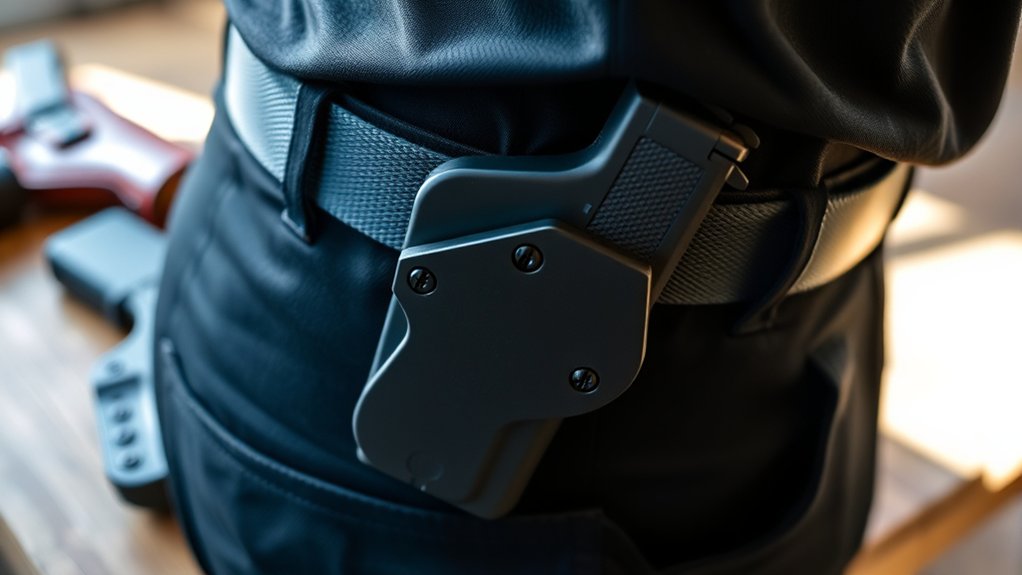
Although paddle holsters offer quick attachment and removal, you might find other holster types better suited to specific needs like concealment, retention, or comfort.
For example, inside-the-waistband (IWB) holsters provide better concealment since they sit snugly inside your waistband, making your firearm less visible. On the other hand, belt holsters often offer superior retention because they attach directly to your belt, reducing movement.
Shoulder holsters can distribute weight more evenly, which might increase comfort during extended wear, especially if you carry a heavier firearm.
If concealment is your priority, you might prefer IWB or appendix carry holsters. If you want a secure fit, a belt holster could be better.
Ultimately, the best choice depends on how and where you plan to carry your firearm.
Advantages of Using a Paddle Holster
Since you want quick on-and-off access without fussing over belt loops or clips, paddle holsters deliver convenience like few others. They’re designed to slip easily on and off your waistband, making them perfect for situations where you need flexibility.
You’ll appreciate how they balance comfort with security, holding your firearm firmly without digging into your side. Plus, their design distributes weight evenly, reducing fatigue during long wear.
Here are some standout advantages:
- Easy attachment and removal without tools
- Comfortable for extended wear
- Compatible with a variety of clothing styles
- Distributes weight evenly for better comfort
- Provides solid retention without complicated mechanisms
Choosing a paddle holster means you get practical convenience and dependable performance every time you gear up.
Types of Paddle Holsters and Features
When selecting a paddle holster, you’ll find several types tailored to different needs and preferences. You’ll encounter basic paddle holsters that focus on simplicity and ease of use, perfect for quick attachment and removal.
Some come with adjustable retention screws, allowing you to customize how tightly your firearm fits.
Others feature added comfort elements, like padded backs or sweat guards, which protect your skin and keep your gun secure.
You might also see holsters with adjustable cant, so you can set the angle of your draw to suit your style.
Additionally, some paddle holsters offer modular designs, letting you swap out parts or add accessories.
Understanding these features helps you find a paddle holster that matches your daily carry and comfort requirements.
Choosing the Right Paddle Holster for Your Firearm
To choose the right paddle holster for your firearm, you need to take into account factors like your gun’s size, how you’ll carry it, and your daily activities.
First, ensure the holster fits your specific model snugly to avoid slipping.
Consider your preferred carry position—whether strong side, cross-draw, or appendix—as some holsters offer adjustable cant.
Think about the material; leather offers comfort, while polymer provides durability.
Also, evaluate retention systems; some have adjustable tension or thumb breaks for added security.
Finally, match the holster’s design to your daily routine, whether for concealed carry, range use, or quick access.
Keep these points in mind:
- Gun compatibility and fit
- Carry position and cant adjustment
- Material type and comfort
- Retention features
- Activity-specific design
Wearing a Paddle Holster Comfortably and Securely
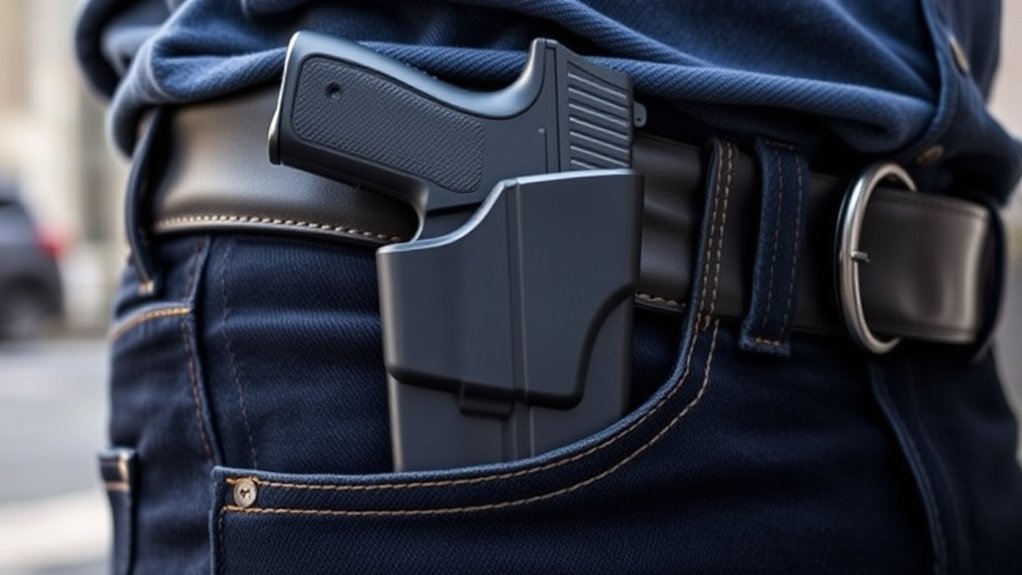
Although a paddle holster offers quick and easy attachment to your waistband, you’ll want to make certain it sits comfortably and stays secure throughout the day. Start by positioning the paddle so it fits snugly against your body, distributing weight evenly. Adjust your belt to hold the holster tightly without causing discomfort.
Wearing the holster slightly forward or behind your hip can improve comfort and accessibility, so experiment to find what works best for you. Make certain your clothing doesn’t bunch up under the paddle, as this can reduce stability.
Regularly check the holster’s retention and attachment to your waistband, especially after movement. Taking these steps ensures your paddle holster stays in place while you’re active, keeping your firearm secure and comfortable during wear.
Safe Drawing and Reholstering From Paddle Holsters
Mastering safe drawing and reholstering from paddle holsters requires deliberate attention to your movements and surroundings. You need to maintain control and awareness to prevent accidental discharge or injury.
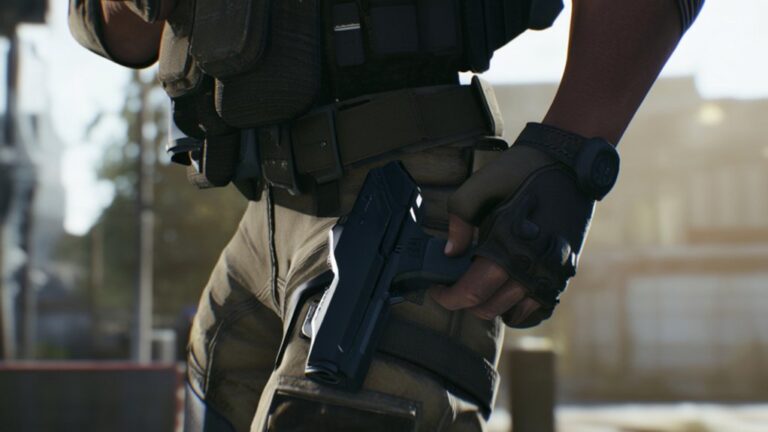
When drawing, make certain your finger stays off the trigger until your sights are on the target. As you reholster, keep your eyes on the holster’s opening and guide the firearm smoothly inside.
Keep these tips in mind for safety and efficiency:
- Always practice in a safe, controlled environment.
- Keep your finger indexed along the frame, away from the trigger.
- Maintain a firm grip on the firearm when drawing and reholstering.
- Reholster slowly to avoid snagging on clothing or the holster.
- Be aware of your surroundings and ensure no one is in the firearm’s path.
Safe handling is key to confident use.
Avoid These Common Paddle Holster Mistakes
Keeping your finger off the trigger and maintaining awareness during drawing and reholstering are essential, but even experienced users can slip up in other ways.
One common mistake is wearing your paddle holster too loosely, which can cause it to shift or detach during movement. Make sure the paddle fits snugly against your body for stability.
Another error is positioning the holster too far forward or backward, which affects quick access and comfort.
Avoid neglecting proper retention adjustment; if it’s too tight, drawing becomes difficult, too loose, and your firearm risks falling out.
Finally, don’t ignore the clothing you wear—bulky garments can interfere with smooth draws.
Keeping Your Paddle Holster Clean and Ready
Since you rely on your paddle holster to secure your firearm, you need to keep it clean and well-maintained to guarantee smooth operation. Regular cleaning prevents dirt buildup that can interfere with the holster’s retention and comfort.
Here’s how to keep your paddle holster ready:
- Wipe down with a damp cloth after use to remove dust and sweat.
- Use mild soap and water for deeper cleaning; avoid harsh chemicals.
- Inspect for cracks, loose screws, or worn parts regularly.
- Lubricate moving parts sparingly to maintain smooth release.
- Store your holster in a cool, dry place away from direct sunlight.
Taking these simple steps ensures your paddle holster stays reliable and comfortable every time you need it.
Frequently Asked Questions
Can Paddle Holsters Fit Firearms With Aftermarket Attachments?
Yes, paddle holsters can fit firearms with aftermarket attachments, but you’ll need to choose one designed for your specific setup. Make certain the holster accommodates added sights or lights to guarantee a secure, comfortable fit.
Are Paddle Holsters Suitable for Left-Handed Users?
Yes, paddle holsters are available for left-handed users. You’ll find models designed specifically for left-handed draw, allowing you to carry comfortably and access your firearm quickly without awkward positioning or discomfort.
How Do Temperature Changes Affect Paddle Holster Materials?
Temperature twists tough materials; leather stiffens, plastics possibly warp. You’ll notice changes causing discomfort or compromised grip. To protect your paddle holster, consider climate conditions and choose materials matching your daily environment’s demands.
Can Paddle Holsters Be Used for Open Carry Legally?
Yes, you can use paddle holsters for open carry legally in many places, but you’ll need to check your local laws carefully. Regulations vary, so always make certain your holster complies with your area’s open carry rules.
What Accessories Can Be Added to Enhance Paddle Holsters?
Think of your paddle holster like a bike—adding lights or a bell boosts safety and convenience. You can add magazine pouches, retention straps, or sweat guards to enhance comfort, security, and quick access while you carry.
Conclusion
Choosing a paddle holster for concealed carry puts comfort and convenience right at your side. It’s like having a trusty sidekick—easy to wear, quick to draw, and secure enough to keep your firearm safe. By understanding how to wear and care for it properly, you’ll avoid common mistakes and stay ready for anything. So, gear up confidently and let your paddle holster be the seamless extension of your carry routine.